Peppered Peach and Rosemary Jam
August 6, 2011
 The peaches have been calling me this summer. On my last trip to the farmers’ market, I gleefully strode away with a huge box mounded high with beautiful peaches and nectarines. Fortunately, this coincided with an almost unprecedented two free days without the kiddos. Oh, how productive this mama can be when the children are away!
 There were enough peaches to make a few different types of products. It was hard to resist making the Perfect Peach Cake (it really is soooo good), but I did. Instead a made a batch of pie filling inspired by this recipe from Mrs. Wheelbarrow. A few pounds went to making a puree for peach ice cream (still working out the kinks on that recipe). With the bulk of the peaches I made one of my favorite pantry items, Peppered Peach and Rosemary Jam.
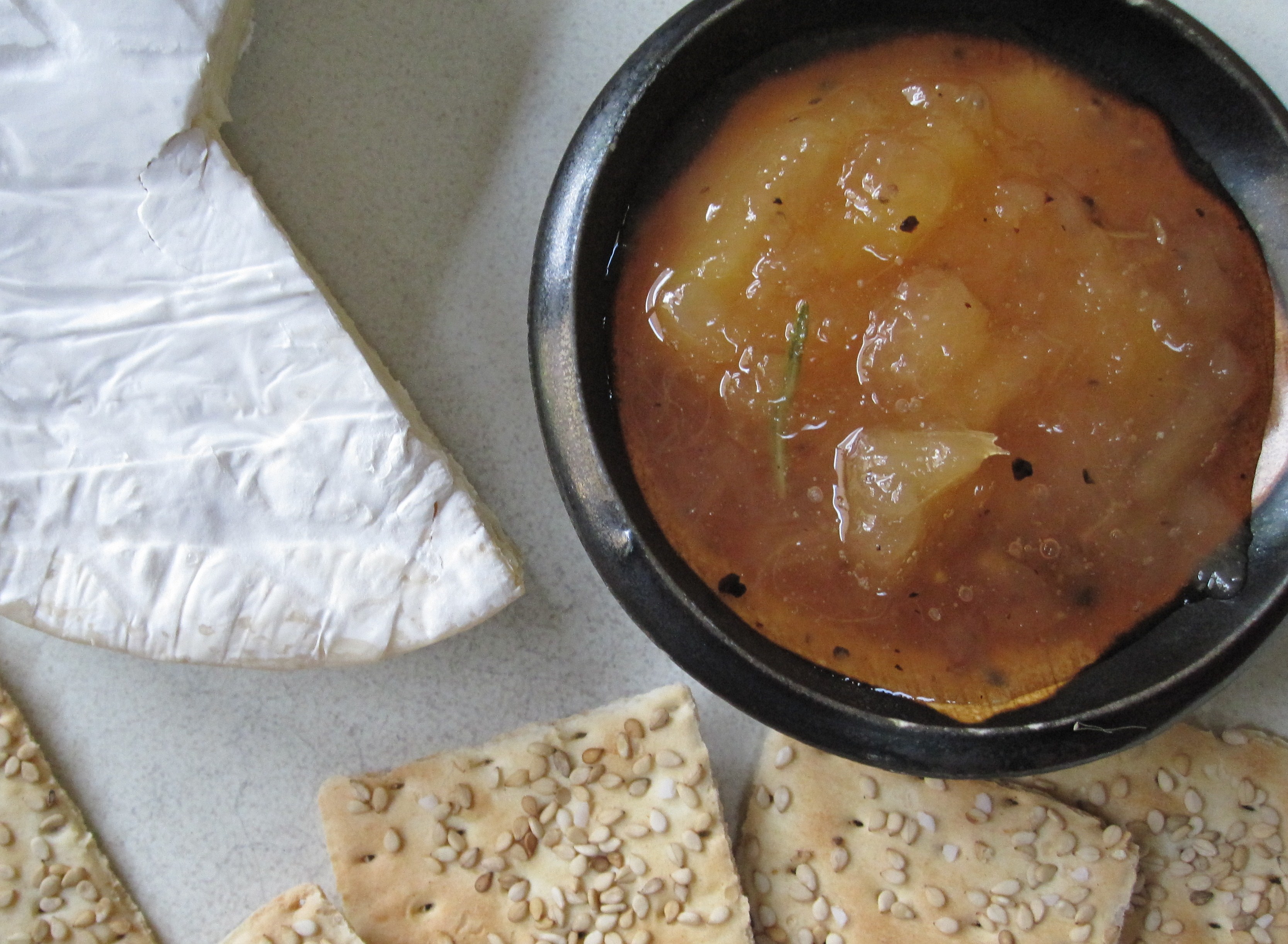
 This jam is special. Sweet white peaches, earthy rosemary, and just a hint of spice from the cracked pepper, the combination is delightful. I serve it with cheese such as brie or chevre. It is a definite crowd pleaser and an excellent hostess or holiday gift.
Peppered Peach and Rosemary Jam
adapted from Martha Stewart
makes 5 half-pints
3 pounds white peaches (you can use yellow, but I prefer the white varieties for this jam)
1/3 cup lemon juice
3 cups sugar
4 large sprigs rosemary
1/2 teaspoon coarsely ground black pepper
Peel and pit the peaches. (Very ripe peaches are very easy to peel with a knife. If your peaches do not peel easily, they are probably not ripe enough. If you must make the jam without allowing them to ripen further, you can boil them for one minute, then plunge into cold water to loosen the skin.)
Slice the peaches into 1/2 inch slices. Place peaches in a large bowl, add lemon juice, sugar, rosemary, and pepper. Cover and let stand for 4 hours. Stir every hour to incorporate the sugar.
Transfer peach mixture to a large pot. Bring to a boil over medium-high heat. Cook for 15 minutes, until mixture is syrupy. Lightly mash the mixture to break down peach slices, leave 1/3 of wedges intact. Discard rosemary sprigs (you can fish out the individual rosemary leaves if you want, but I leave some in for color and interest.)
Ladle jam into hot sterile jars. Leave a 1/2 inch head-space. Top with a new lid and band. Process in a hot water bath for 10 minutes for half-pint jars. See Home Canning Basics for more information about the canning process.
Here is a printer-friendly version of the recipe: Peppered Peach and Rosemary Jam
You may also like:


Berry Dutch Baby
August 3, 2011
 Breakfast is sometimes tiresome. We make eggs, pancakes, waffles, granola, but even with all of those choices, we are still sometimes bored. Recently I remembered about Dutch Babies which my mother used to make for me. They are essentially large popovers that are sliced and served with lemon and powdered sugar or jams and syrups if you prefer. As a child I loved these, but I have not be able to completely sell my kids on them for some reason. The other night however, as I said goodnight, my son requested a Dutch Baby with berries for breakfast.
 Making Dutch Babies is simple, you whisk together a batter, preheat a cast iron in the oven, and pour the batter into the hot pan. The batter then cooks in the oven until it puffs up and browns. It is dramatic and beautiful, but have your audience near when you take it from the oven, because it soon falls. Dutch Babies are best eaten very soon after being removed from the oven.
Mixed Berry Syrup
July 28, 2011
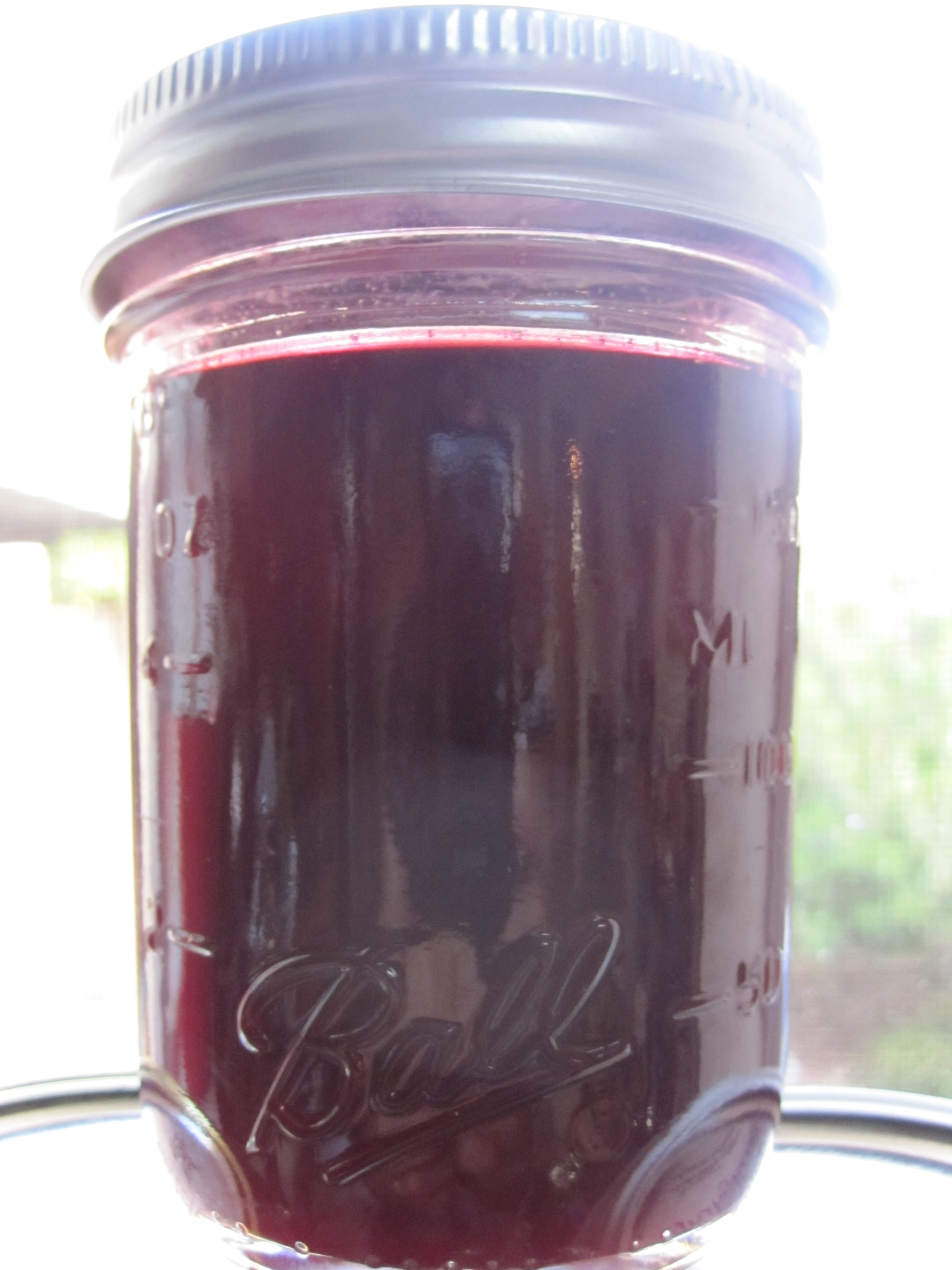 I did not intend to share this recipe. It seemed too simple, and maybe, just maybe, you are tired of reading about all the flats of berries my family is consuming. Oh, but then the syrup began to heat and give off the most luscious smell. By the time I was ready to ladle it in the jar, I was entertaining thoughts of bathing in this gorgeous liquid. That is when I knew I had to spread the word. The next morning I awoke and made up a batch of the best pancakes ever (my humble opinion) to showcase this delicious syrup.
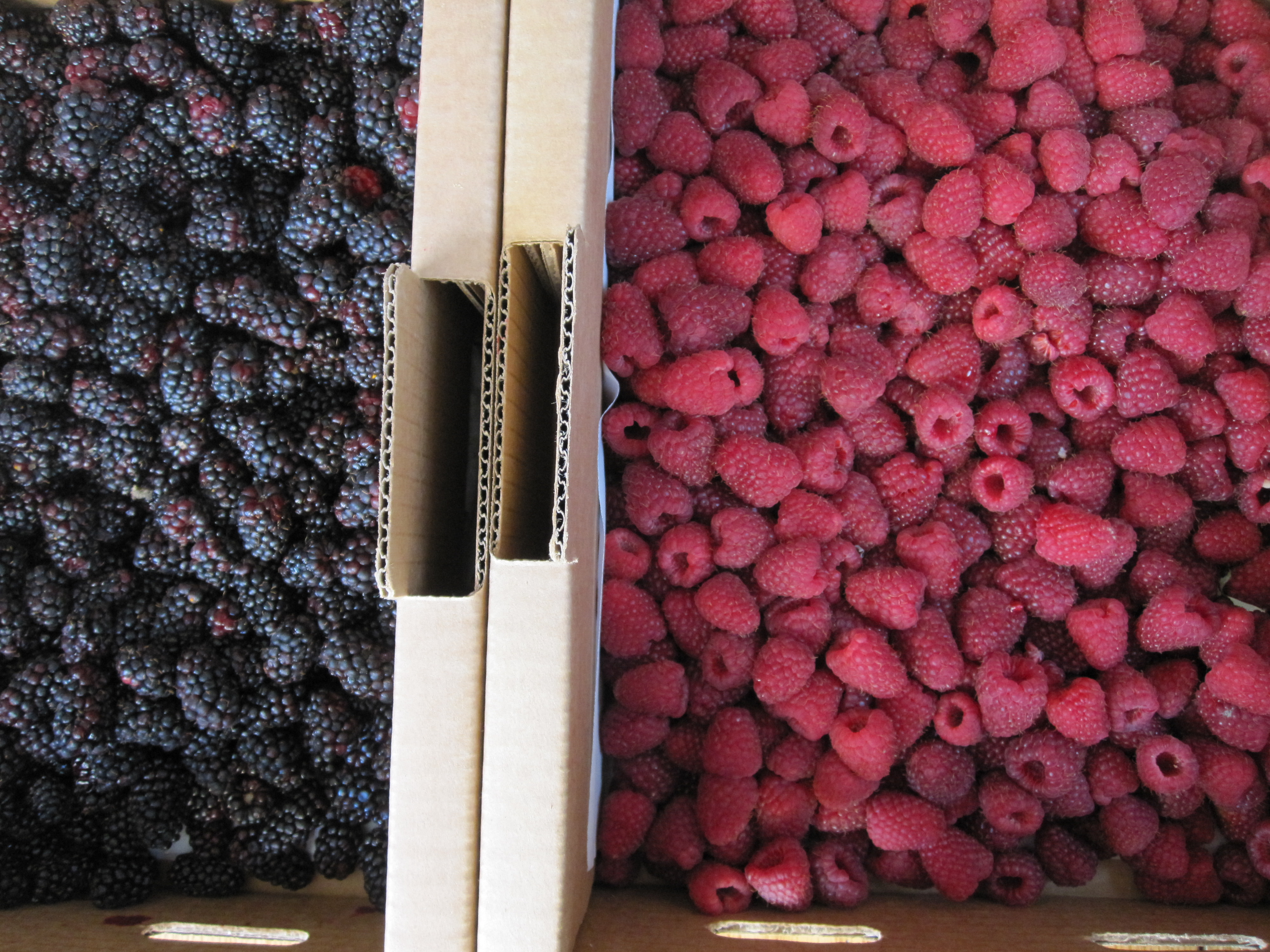 And so, simple as it may be, here is the recipe for the syrup that you should by all means make. Sometimes it is the simplest of recipes that create the most delicious products. It takes a little longer to make syrup than jam. The sugar needs to heat to 230 degrees which takes time. Do not be tempted to add the strained berries before the temperature is reached. You will end up with a runny product.
Read the rest of this entry »
Green and Brown (eat your veggies!) Spaghetti
July 24, 2011
 Yes, it is true, my kids eat their vegetables. No, not every vegetable, every time, but they do eat them and what is more they like them. They even ask for them. So you do not peg my family and sweet little munchkins as social and culinary oddities, I thought I would let you in on a couple of tricks that I am convinced have helped me to raise two kids who are not afraid of vegetables.
1. Serve different kinds of vegetables, often.
Though there are certain vegetables that my kids will almost always eat (sweet peas, cucumbers, broccoli), I am careful to serve other types of vegetables frequently as well. I find that the more I mix of the types of veggies and the way I prepare them, the more likely they are to try different tastes. Though I never force them to eat anything, I do encourage them to try a bite. For the most part, I ignore them if they say they do not like something. What they do not like on a certain day, they may love the next. Keep at it.
2. Eat vegetables yourself and let them see you.
As a general rule, I figure I should be eating more vegetables than my kids, if I expect them to eat veggies at all. I pile on the salads and extra servings of vegetables and make sure they notice.
3. Catch them when they are hungry.
There is little chance my kids (or anyone else’s for that matter) are going to eat a pile of broccoli, when they have already consumed two bowls of mac and cheese or another preferable kid food. In the hour before dinner when my son is loitering in the kitchen complaining that he is “starving”, I like to put out a big plate of fresh raw veggies. Both he and my daughter will polish off surprisingly large servings of carrots, cucumbers, peas, broccoli, celery, etc. as they are waiting for dinner. After that, I do not worry too much if they happen to pick at their dinner vegetables.
4. Let them pick which vegetable to buy or cook.
When kids have the choice of which vegetable to eat, they are in control and may be more likely to actually eat it. Often at the farmers’ market or grocery store, I allow each child to pick out a vegetable. Often they surprise me with their choices (cauliflower, jicama), but almost without fail, they will gobble up their selection.
5. Vegetables should taste good.
Take the time to serve fresh, seasonal vegetables raw or cooked in a way that fits that food. Vegetables should taste delicious, just as the other parts of the meal should. Taste it, if it tastes good to you, it probably will to them as well. If the vegetable is overcooked or underseasoned, you cannot really blame your kids for not eating it.
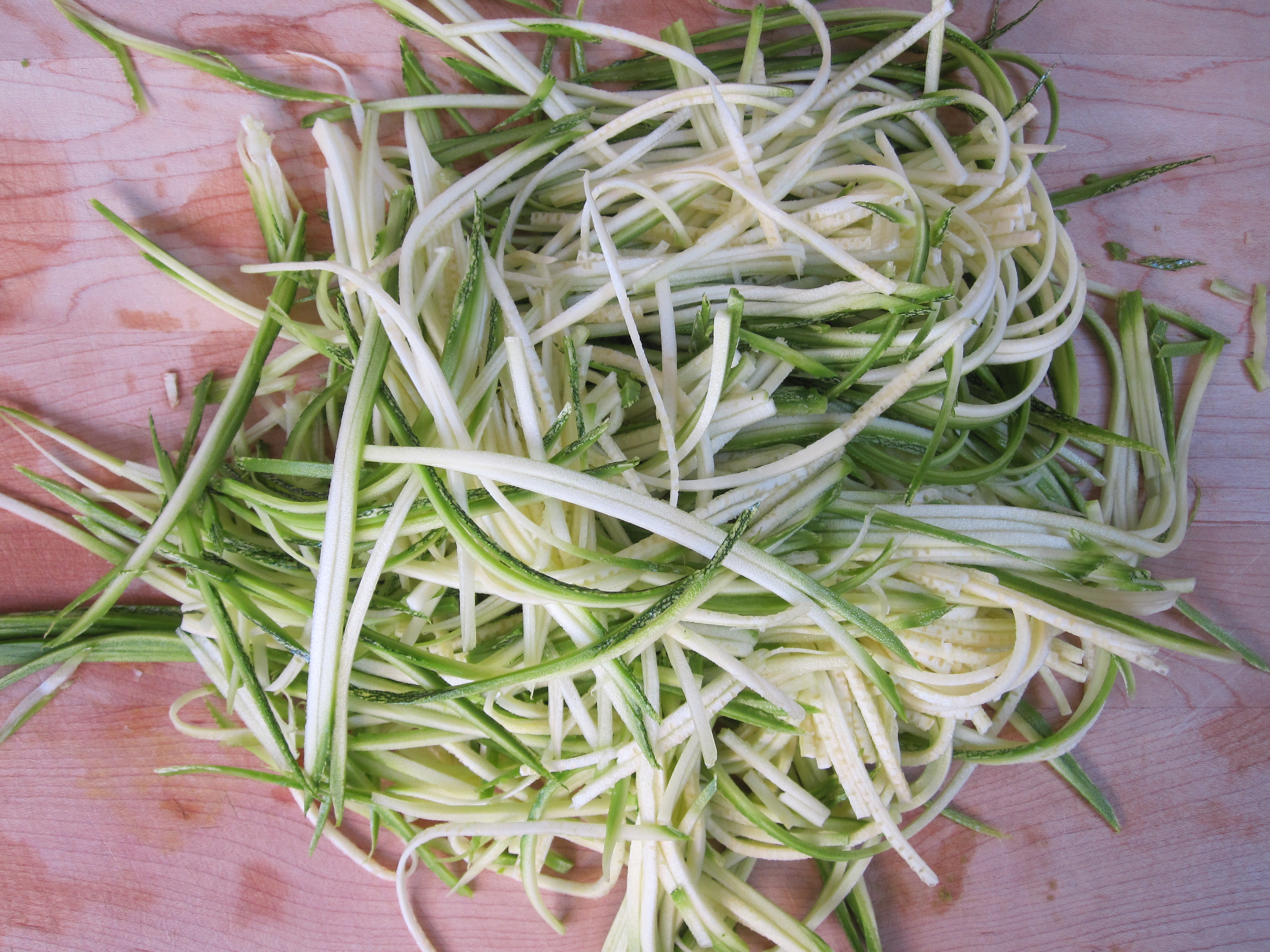 Green and Brown Spaghetti is my kids
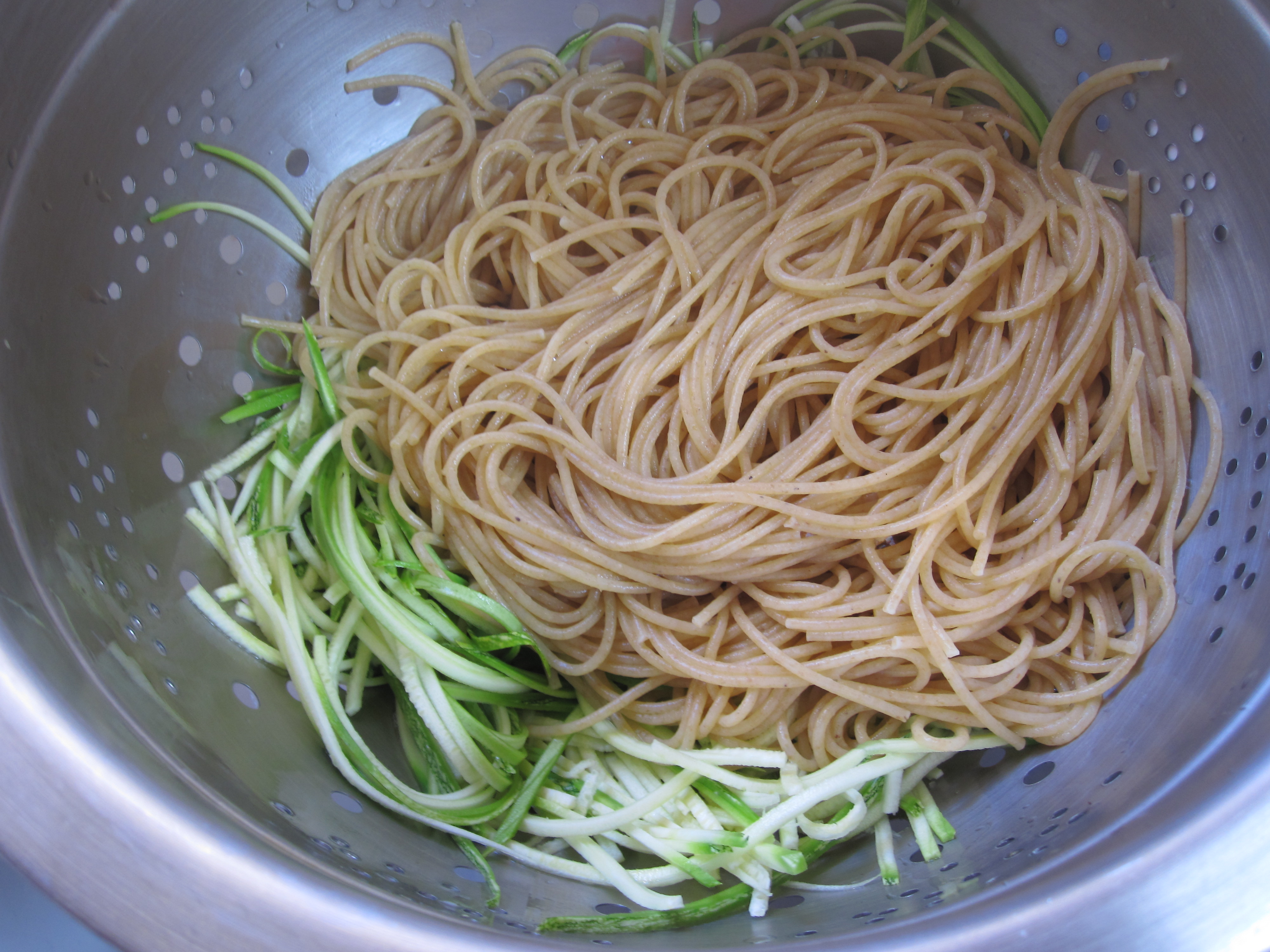
 only favorite way to eat zucchini. As any gardener knows, there is never a shortage of zucchini in the summertime. When recently both kids announced that they did not like zucchini (or ma-chini as my daughter calls it) I knew it was time to break out this favorite from last season. In this recipe, the zucchini is cut very long and thin to resemble spaghetti. I picked up the technique from Smitten Kitchen last year. Instead of cooking the zucchini, the hot cooked pasta is simply drained over the zucchini in a colander. The zucchini becomes just slightly tender, while still maintaining a good bite. Tossed with a bit of fresh pesto, it is a huge hit with our kids, but is certainly not a “kid food.” You can be proud to serve this to hungry eaters (and veggie-phobes) of all ages.
Perfect Peach Cake
July 17, 2011
 It is hard to beat a fresh summer peach. At their peak, taking a bite of a perfectly ripe juicy peach is a transcendent experience. I find that farmers’ markets are the best place to buy peaches. The smaller farmers are much more likely to have a sense of the true maturity of the fruit they grow and allow it to fully develop. They also often give samples so you can judge for yourself the quality of the fruit. It was with these magical fruits in mind that I set out to make Perfect Peach Cake.
 This recipe is slightly adapted from one in the last issue of Cook’s Illustrated. Once I saw it, I could not get it out of my mind. I began searching for a reason to make it, which luckily was not too difficult. The recipe involves some unusual steps such as roasting half of the peaches before adding them to the batter and sprinkling them with panko to absorb the excess juices that threaten to make a soggy cake.


 My Pantry Shelf