The Call of the Jar: Pickled Asparagus
June 2, 2011
 I often speak to people who have never canned food and they express their concerns. Some people discuss worries about the safety of home canning, others suffer from a lack of confidence about how to successfully can food , and still others think they do not have time in their busy lives to preserve the bounty of the seasons. It is to all of those skeptics that I dedicate this recipe. It is a perfect entry-level canning project: almost zero safety concerns, easy to do if you follow the basic instructions, and very quick to put together. And so here is my challenge to all those who have meant to can, but have not: Try this recipe now, while the asparagus is fresh and inexpensive. Fill your shelf with these beautiful jars. Feel the satisfaction of putting up your own food. Let your experience bolster your confidence for more canning projects through the summer. Heed the call of the jar!
Read the rest of this entry »
Preserved Grape Leaves
May 28, 2011
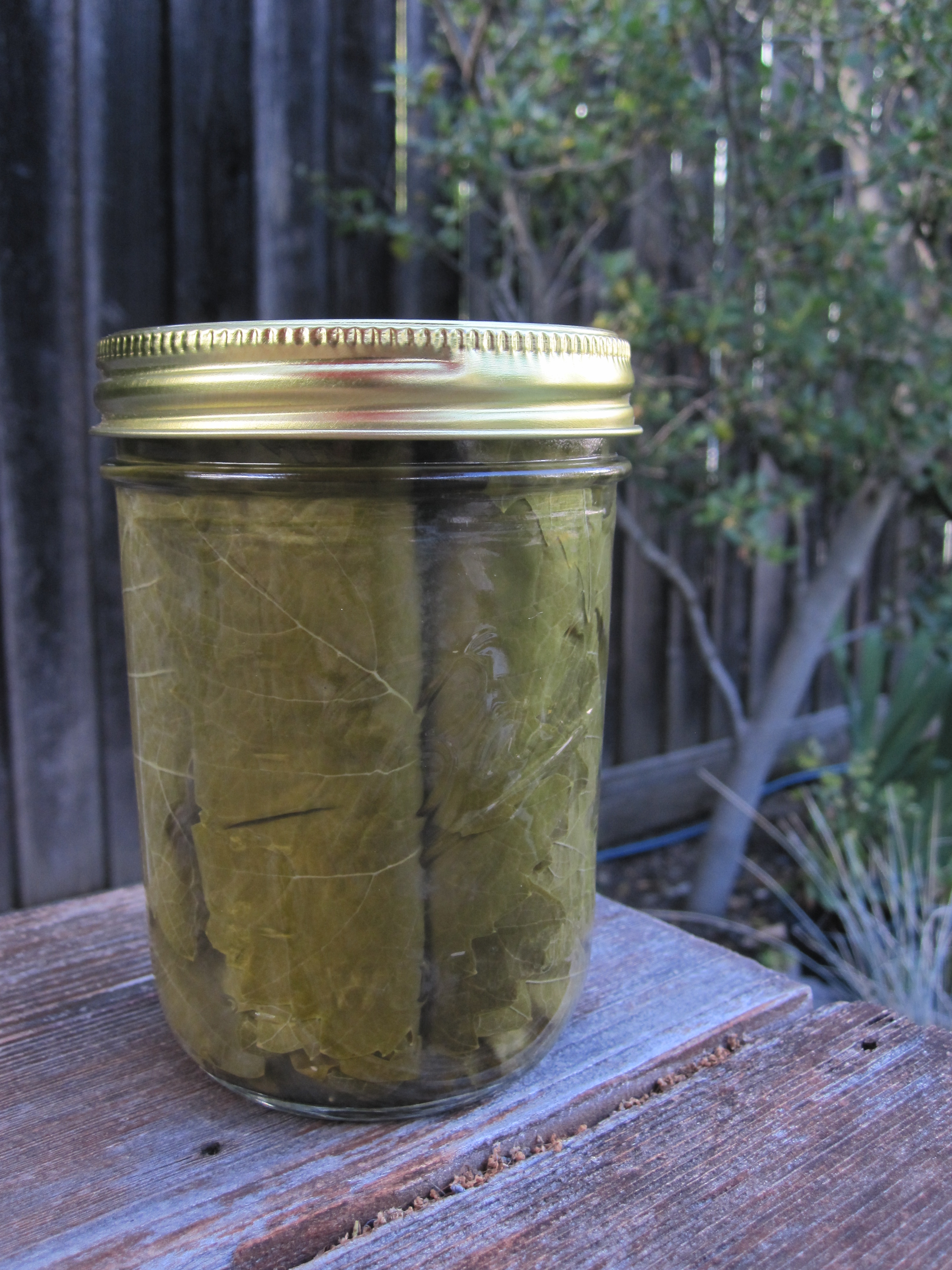 Here in Sonoma County, California, we have more than our share of vineyards. For good or for bad, the apple orchards and more diversified crops have given way to hill after rolling hill of vineyards. Now that we are well into May, the vineyards are awash with green as the grape vines put out their leaves. So though the grape harvest is still months away, this is the ideal time to harvest grape leaves.
 Harvest leaves from grape varieties that produce smooth and not fuzzy leaves. The leaves pictured are from a Thompson grape vine, but there are many, many possible varieties. Choose leaves that are large (the size of your hand) and not damaged by sun or insects. This time of year they are fresh, tender, and supple. Later in the season they will turn tough and not be as suitable for eating. Take care to ensure that you are not collecting leaves from vines that have been sprayed.
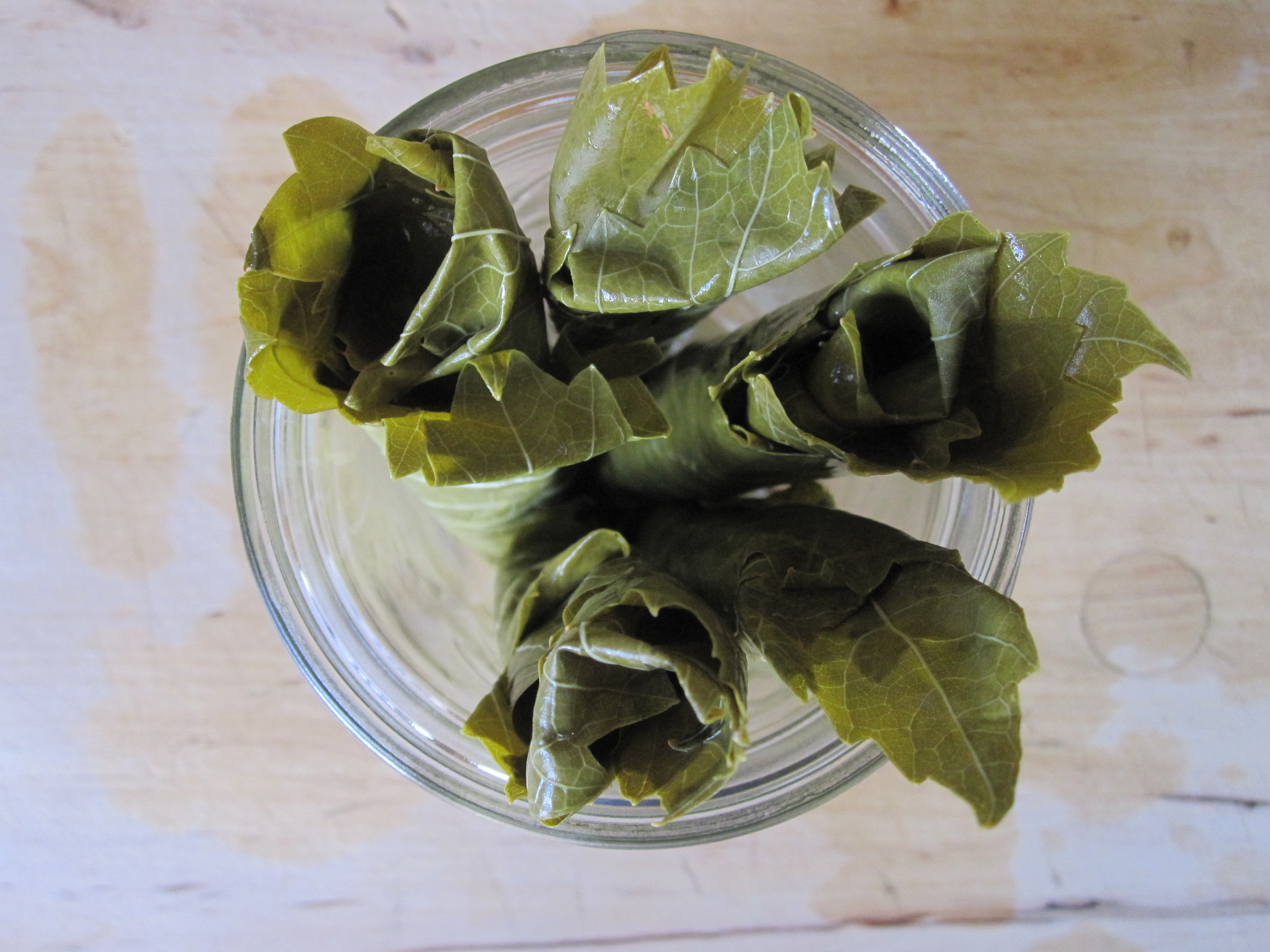
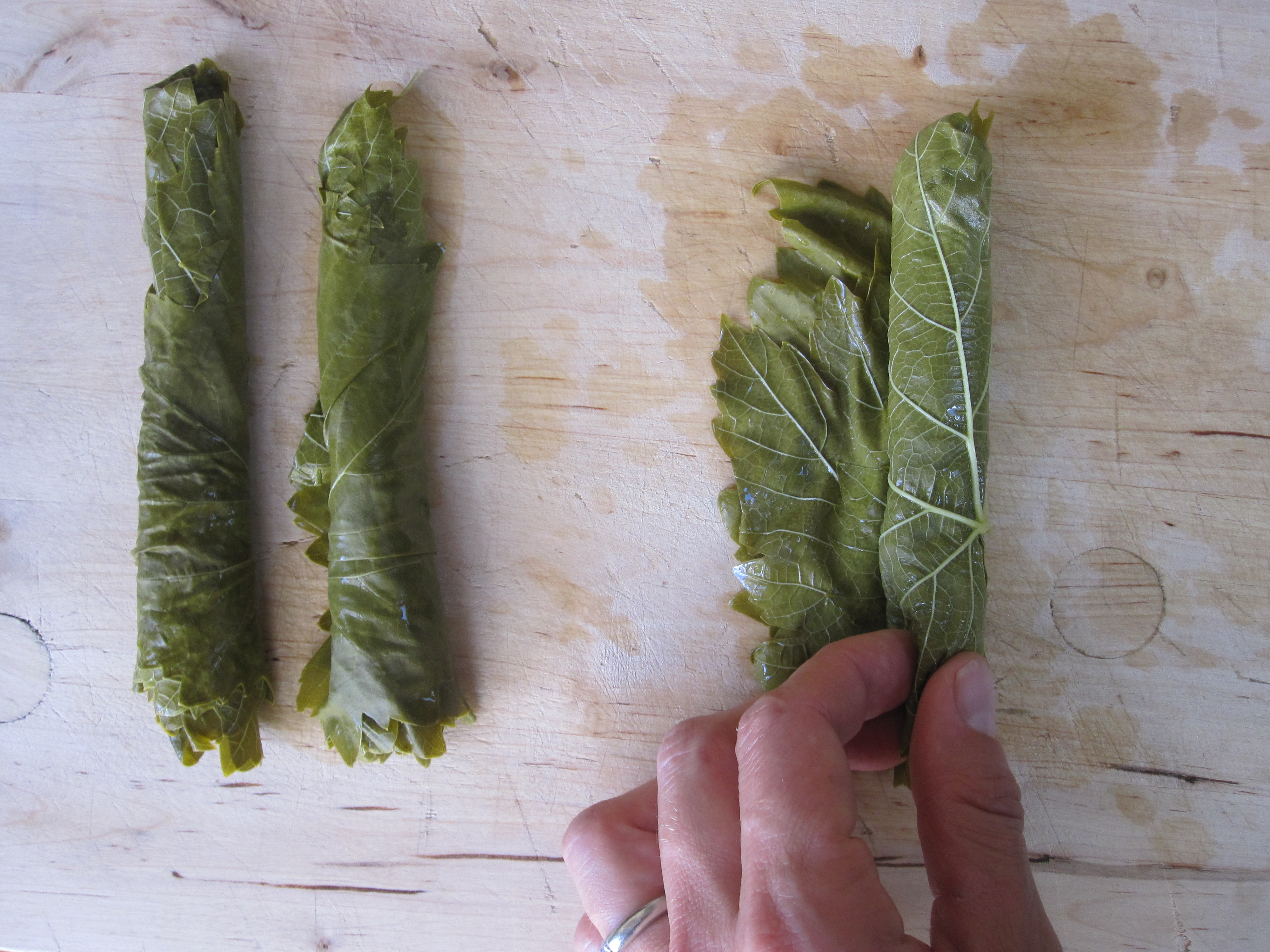 Preserving grape leaves could not be simpler. Trim the stem from the leaf. Blanch the leaves in salt water, roll them up in packs of 5 leaves, and pack them upright in a lemon and water solution. Jars can be processed for shelf storage or kept in the refrigerator until you are ready to use. I used mine to make dolmas! Here is the recipe.
Fava Leaf Pesto
April 29, 2011
 Each winter we grow favas, more for their ability to fix nitrogen into our garden beds, than to eat. We usually have one meal involving the fava beans and then till the plants into the soil or add them to our compost. If you read Sunset magazine, you may have noticed that they have featured fava leaf recipes in the past few issues. I had no idea you could eat the leaves! Actually the leaves are quite delicious and since our plants are four feet tall, there are plenty of them to eat!
 The other day, my kids and I set off to the garden, basket and scissors in hand, to pick some fava beans and leaves. Our mission was to make pesto. Pesto is one of my their favorite foods. They love to eat it, but even more so, they love to make it with me. They are old enough now that their “help” actually is help, but not so old that they do not want to help anymore. We collected a basket of fava leaves and as many beans as we could (ours are still a little on the small side). The kids then went to work happily shelling the beans, as I picked the leaves from the stem. Together we pureed the leaves with garlic, walnuts, and parmesan with the kids taking turns pressing the buttons on the food processor. The munchkins also had the job of quality control, testing out the pesto on a toasted slice of bread.
 Fava Leaf Pesto has a bright spinachy flavor with hints of artichoke. The intense green color is superb! I tossed it with some hot linguine and topped the bowl with a scattering of blanched baby fava beans and a sprinkle of parmesan cheese. My son announced, “I’m definitely having more. I could eat this forever!” Not a bad endorsement. If you do not not have a crop of favas in your backyard, check the farmers’ market. We will definitely make this pesto again!
Read the rest of this entry »
Sunflower Millet Bread, Egg Salad and Pickled Onions
April 26, 2011
 Easter and the its accompanying sugar rush have past. Now I am left with the daunting question of what to do with three dozen hard-boiled eggs!?! Luckily, with the exception of my son, we all love eggs. My daughter was peeling them and eating them as she hunted, but of course that only took care of 2 or 3.
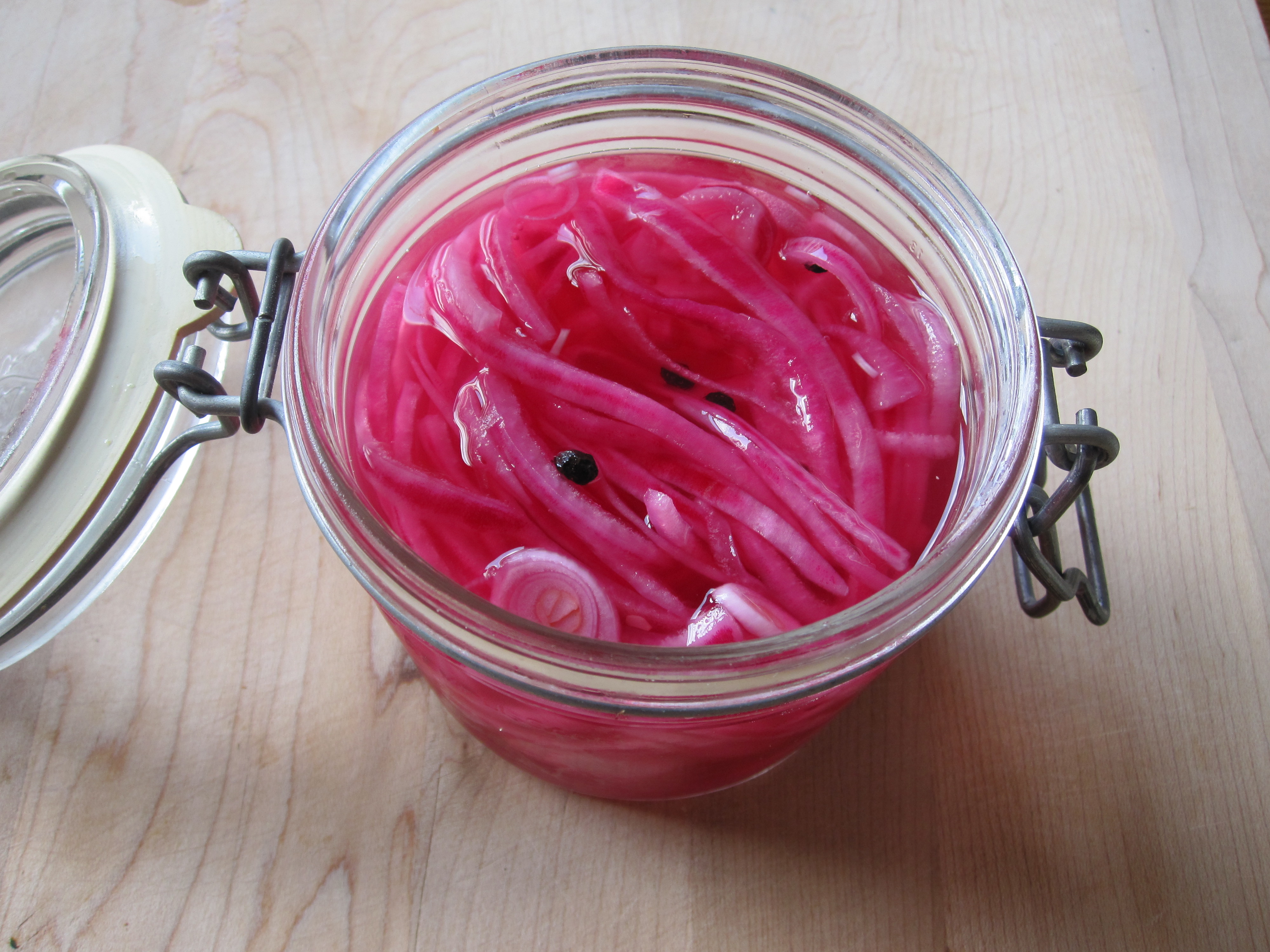
 One of my favorite ways to prepare hard-boiled eggs is to make an egg salad. I happen to love egg salad, but admit that it can be somewhat bland at times. Sunflower Millet Bread is ideal for egg sandwiches, because it has so much flavor and crunchy texture. The millet toasts and pops in your mouth. It has a nutty flavor, as do the sunflower seeds. Topping the sandwich with pickled red onion adds a bright color contrast, as well as a tangy counterpoint to the egg.
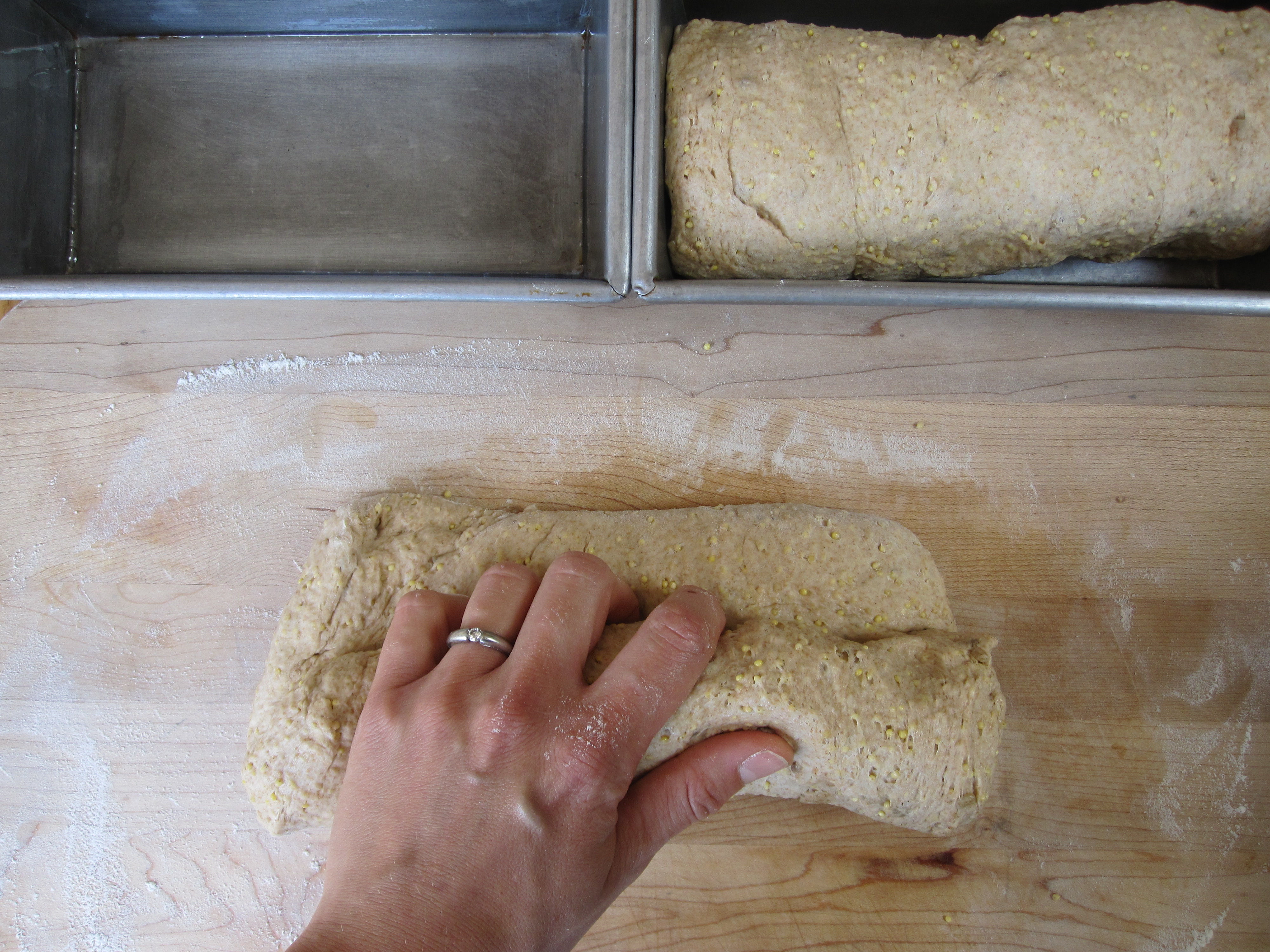 I first fell in love with Sunflower Millet Bread when working at a natural food store in high school. This recipe is from The Greens Cookbook. Though it is almost completely based on whole wheat flour, it has a very open, light texture. The bread slices and toasts very well. I used the first loaf for egg sandwiches, then sliced and froze the second for breakfast toast in the coming weeks.
 The Red Pickled Onions are also from The Greens Cookbook. They are very easy to make and take only a day to sit and cure. They are great with this sandwich, but also with sausages or any meal that you want to add a zippy condiment.
 Find this and other delicious breads at Yeast Spotting.
Read the rest of this entry »
Dandelion Vinegar
April 8, 2011
 It is time to tap into the gatherer within! While there is a significant movement pushing people to develop their own victory gardens and support local growers, we still tend to ignore the wild plants volunteering all around us. Dandelion, Taraxacum officional, grows wild across much of the United States and so is accessible to just about anyone. Though you probably think more of Round-up than of salad when you see a dandelion, I am here to change that perception. Dandelions are delicious! Dandelion is often wrongly perceived as a foe to the garden and rarely considered an edible treat. Dandelion is both beneficial to the garden, highly nutritious, and tasty.

Dandelions help the garden in multiple ways. Dandelions send down a tap-root that breaks up heavy soil. The root also helps draw nutrients from down deep and then deposit them on surface as the leaves decay. They are also beautiful. It would be hard to find a child that is not in awe of the snowy globes of dandelion seed.
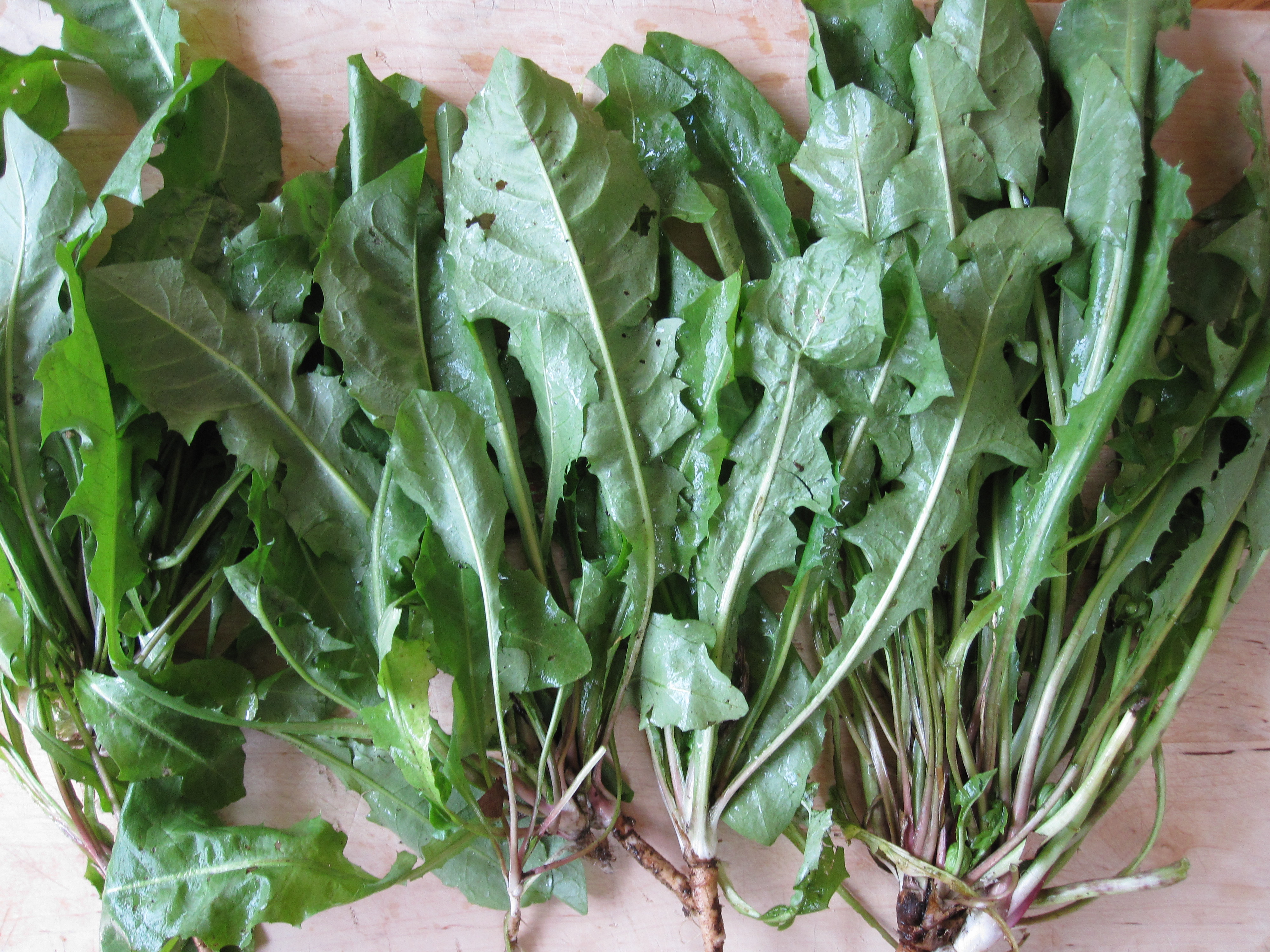 The name, Dandelion, comes from the French, dent de lion, or tooth of the lion. This is a nod at the serrated leaves of the plant. Identify dandelion by its serrated, hairless leaves, its non-branched flower stem, and its milky sap. Dandelion is highly nutritious. It boasts vitamin A, vitamin C, potassium, calcium, iron, and more. Well stocked produce markets offer dandelion greens, but those are a cultivated variety. Most people do not realize that the garden weed is edible. The heavy rains of winter mean a beautiful crop of dandelion growing, with any luck, right outside your door! Harvest dandelion in the spring when the leaves are long, bright green, and fleshy. Since dandelion is often the target of toxic sprays, make absolutely certain that the dandelion you pick is from an area that is free from harmful chemicals.
 The dandelion root and leaves produce a wonderful herbal vinegar. To make dandelion vinegar, harvest the root and leaves from a dandelion plant or many (you will be “weeding” at the same time!). Wash the dandelion carefully, remove any flowers or flower stems. Mince the plant and cover in balsamic vinegar. The dandelion infuses the vinegar with deep, earthy flavors and nutrients. Strain the vinegar and serve in salad dressings, add to a soup for a delightful acidic burst, or use anytime you would use plain balsamic vinegar. The flowers are beautiful added to salads.
Dandelion Vinegar
dandelion leaves and roots
balsamic vinegar
Wash leaves and roots. Remove any flowers, flower stems, or dried leaves. Mince. Place in a sterilized jar and pour balsamic vinegar over the top so that the herb is submerged by 1 inch. Cover and let sit for 3 weeks. Strain the vinegar and use as you wish.
Here is a printer-friendly version of the recipe: Dandelion Vinegar


 My Pantry Shelf