Mexican Pozole Rojo
December 30, 2010
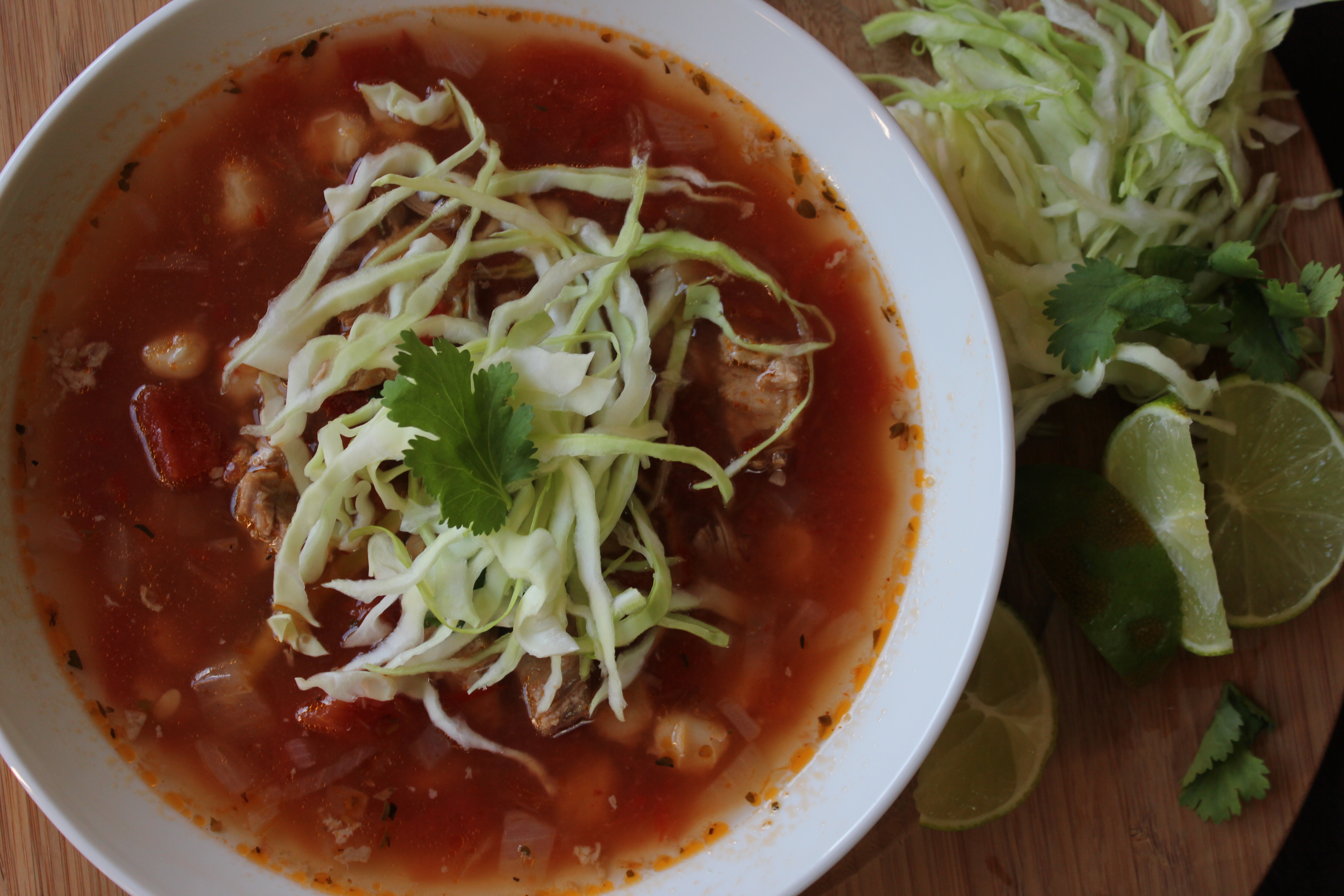 Following the excesses of the holidays, my family and I generally run for the hills. Nestled in the rain drenched Santa Cruz Mountains, we seek the calm and quiet that comes with solitude. We explore, rest, and reconnect as a family. We also nourish ourselves with simple foods.
The last few years, we have spent the first day of our vacation brewing up a rich pot of pozole. This traditional Mexican soup has largely been overlooked by the American mainstream. While burritos, tacos, and enchiladas enjoy widespread name recognition, pozole continues to be a bit of a mystery to many people outside the folds of a Mexican family. It deserves to be discovered! Like most great soups, it is composed of the simplest of ingredients that transform into a richly flavored, satisfying supper.

This is an all day soup, but do not let that discourage you! Just because this soup cooks all day does not mean that you are cooking all day. Plus, a pot simmering on the stove gives us a fabulous excuse to stay in on these cold winter days and spend the day in our slippers. The soup begins with a pork shoulder rubbed in Chile powder, salt, and pepper, then slowly braised until the meat is falling from the bone. The chunks of pork are added to a base of sauteed onion and garlic, dried chiles, and chicken broth. These ingredients are simmered together with tomatoes and hominy for as long as you can spare. Upon serving, the soup is topped with shredded cabbage, cilantro, serrano peppers, and minced onion. The combination of hot soup studded with chunks of pork and hominy, cold raw crunchy veggies, and tangy fresh lime juice squeezed over the top has won over my family. My little man gave it “100 thumbs up!”
Mexican Pozole Rojo
adapted from Michele Anna Jordan
makes 10 servings
the Rub
3-4 pounds pork shoulder or butt
2 tablespoons salt, plus more as needed
2 teaspoons Chile powder
2 teaspoons ground black pepper
Preheat the oven to 300 degrees. Pat the pork shoulder dry with paper towels. Mix together the salt, pepper, and Chile powder. Rub all over the meat. Place roast in a covered oven-safe dish, add 1 1/2 cups of water and bake for 4-5 hours until meat is very tender. Remove from oven, set meat aside. Allow liquid in pot to cool, then skim fat from the top. Reserve remaining liquid for the soup.
the Soup
1 tablespoon vegetable oil
1 large yellow onion, diced
6 garlic cloves, minced
2 teaspoons dried oregano
Black pepper, freshly ground
2-3 dried chiles, preferably ancho/ pasilla, soaked in hot water for 10 minutes.
6 cups chicken stock or broth
1 28-ounce can diced tomatoes
2 28-ounce cans hominy, drained
Meanwhile, heat the oil in a large soup pot. Saute onions, stirring frequently, until translucent and fragrant, but not brown. Add garlic and saute 2 more minutes. Add oregano, broth, tomatoes, and hominy. Once the chiles have been soaked and are pliable, tear them open and discard the stem and seeds. Using the back of a knife, scrape the inner flesh of the chile and add to the soup. Season with salt and pepper. Bring the soup to a boil, then simmer partially covered for 45 minutes or so.
When pork is tender, chop into chunks of desired size. Add meat and reserved braising liquid to the soup. Simmer another 30 minutes or more if you have the time. Season again with salt and pepper.
the garnish
2 limes cut in wedges
2 cups green cabbage, thinly shredded
1/4 cup minced fresh cilantro leaves
1/2 cup minced white onion
2 serrano peppers, thinly sliced
Corn tortillas- hot
Serve hot soup in individual bowls. Create a garnish platter for each individual to top their soup to their liking. Hot tortillas can be dipped in the soup or used to roll up the pork and hominy into mini tacos.
Here is a printer-friendly version of the recipe: Mexican Pozole Rojo
You may also like:


Easy Cranberry Bread
December 23, 2010
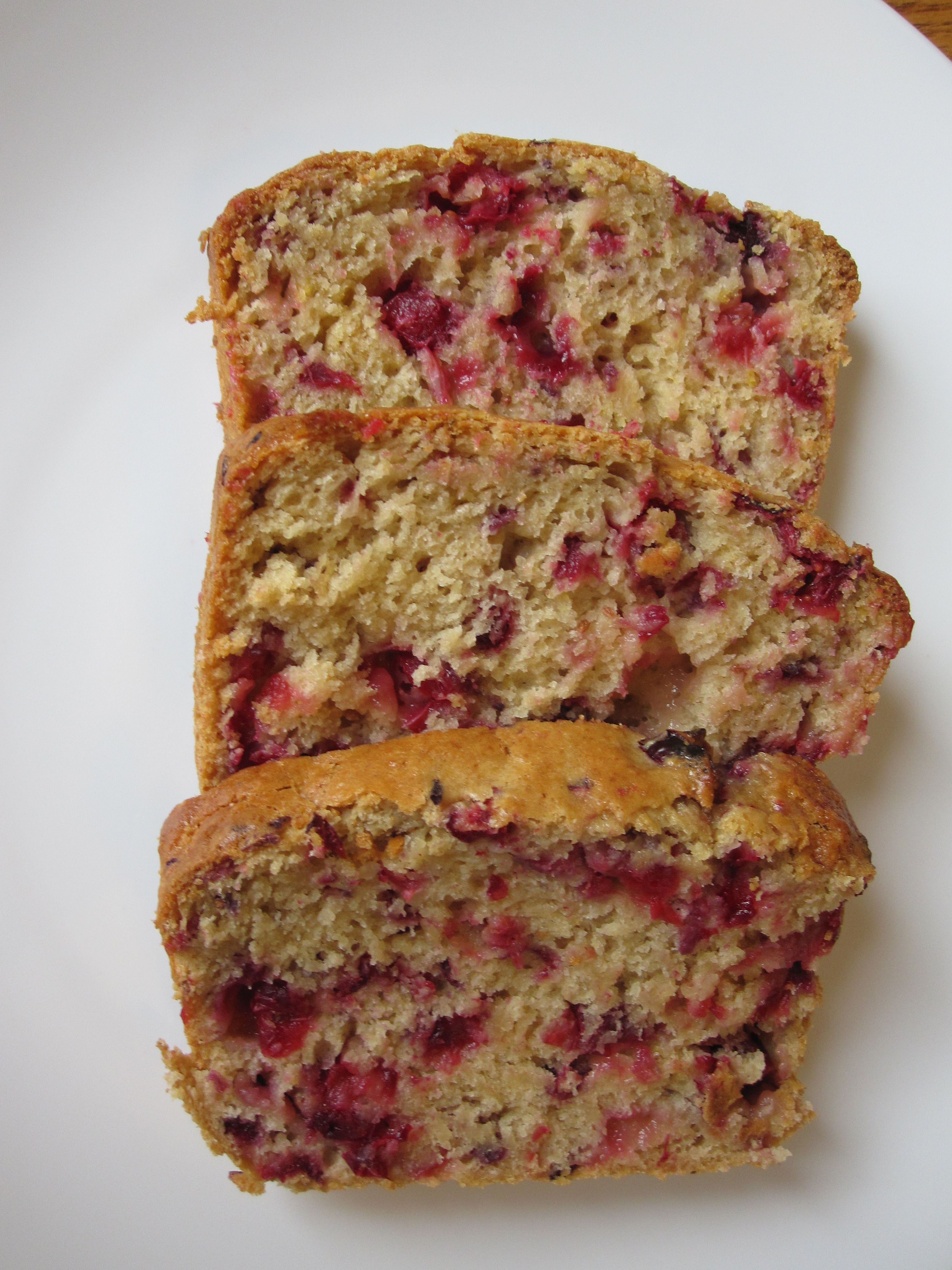 How is it that cranberries have become the icon of the holidays? Is it their crimson color or their relative scarcity throughout the rest of the year? Whatever it is, they play a special role during this season. For some reason, I have been craving cranberry bread. When I set out to find a recipe, I was surprised that there are very few out there. The recipe that follows is generously adapted from one posted on Everyday Food (that received mediocre reviews).
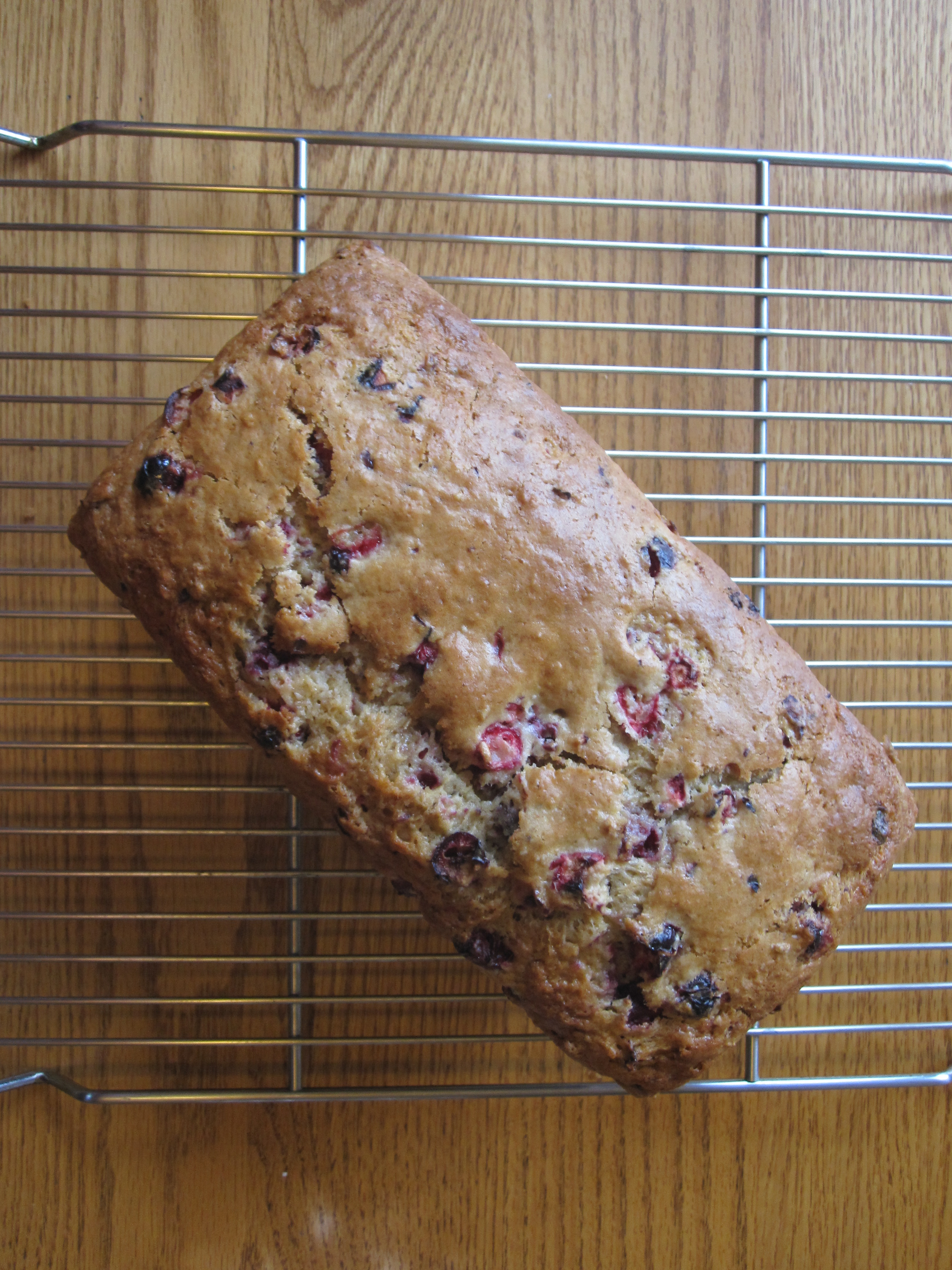 I was craving a bread that would celebrate cranberries rich color and tart flavor without distractions from nuts, citrus, etc. To boost the flavor, I swapped out the whole milk for buttermilk. The cranberries are chopped and sprinkled with sugar before folding them into the dough. This sweetens the berries and prevents an overwhelmingly sour pop of cranberry when you bite into a piece. The result is a quick bread that is perfect for breakfast or brunch during the holidays or any time of year. (Now is the best time to buy cranberries. They freeze well!)
Cardamom Bread
December 22, 2010
 Every year when I bake Swedish Cardamom bread for our Christmas morning brunch, I wonder why I reserve it for Christmas alone. It is beautiful, relatively easy to make, and tastes so tender and delicious. I love it!
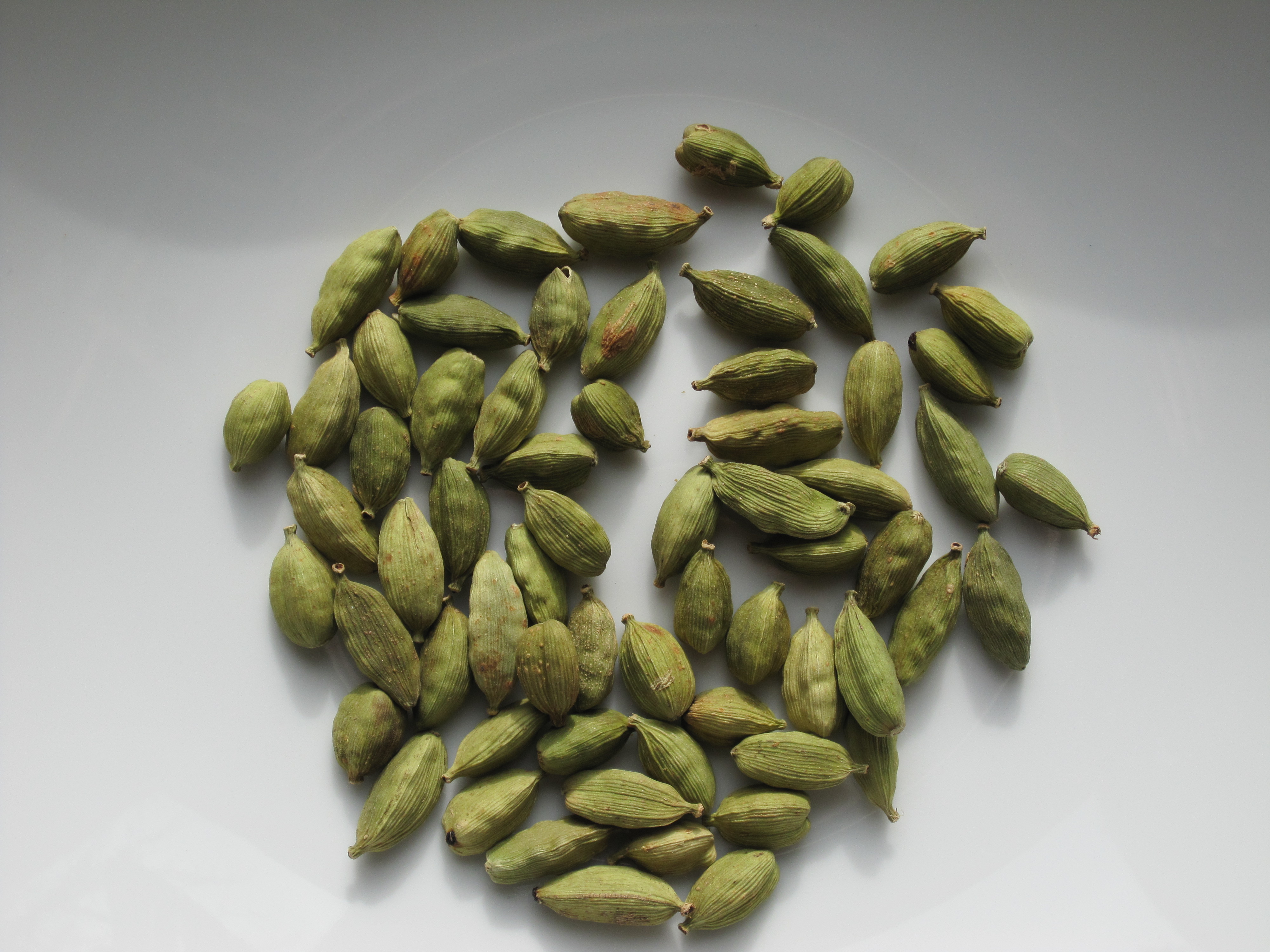 Cardamom is not a spice that gets a lot of play in standard American fare. I know it best through Swedish and Indian recipes. This bread features it prominently. The key is to grind the cardamom seeds just before adding to dough. (Do not use pre-ground cardamom powder, please. It is not the same.) I like to hull the pods, then grind the seeds in a mortar and pestle until they are fine, but still contain some larger chunks (think pre-ground pepper and course pepper ground in your mill for a size comparison). The courser bits add a flavorful crunch when biting the bread.
Caramel Apple Tarts
December 20, 2010
 Oh, it is a good thing to have a refrigerator full of caramel sauce. When I set out last week to make a pot full of caramel sauce, I truly intended to pass it on to well deserving friends and family. As the days wear on however, I can see the supply dwindling. The problem is… it is really good! (If you don’t yet have a fridge full, check out my post on Edible Gifts! Chocolate and Caramel Sauces. ) First was the obvious, caramel over ice cream (which has possibly converted this chocolate faithful to the caramel side of the ice cream shop), then apples dipped in caramel (it’s OK to eat it as a snack then, right?), and then putting it all together for one holiday worthy dessert. Tonight’s dessert was part apple crisp, part caramel apple, entirely decadent and yet homey, the caramel apple tart.
This recipe has been sitting in my “someday I want to make” pile for over a year. It was originally published in Bon Appetit magazine, May 2009 by Matt Lewis and Renato Poliafito and originates at the restaurant, Baked, in New York. Here is the concept: individual tart crusts, baked off in advance, then layered with caramel sauce, sauteed apples, and crisp topping. These tasty tarts are then baked again until the sugary syrup bubbles up and the topping browns. The original recipe suggests pairing these with Cinnamon-Rum ice cream (and provides a delicious sounding recipe- you should check it out on Epicurious). I couldn’t manage the extra prep, so I topped it with good ol’ vanilla and a drizzle of caramel sauce. No complaints.
Swedish Meatballs (Kottbullar)
December 13, 2010
Growing up in a Scandinavian American household, the tradition of Santa Lucia was always one that spoke to me, not only as a connection to my Swedish heritage, but also to the rhythm of the seasons. Last night, my children and I gathered around our Santa Lucia doll and I told her story (generously interpreted).

A long time ago in Sweden (which is near the North Pole, a meaningful landmark for those obsessed with that region of planet this month), the days were short and the nights were long and cold. The people of Sweden did not have enough food to eat. One night, they looked out over the water and saw a beautiful woman gliding towards them. Upon her head, she wore a crown of light and in her arms she carried food for the hungry. Santa Lucia saved the people of Sweden, not only from their hunger, but from their despair as well. The food she brought filled their aching bellies and the light she wore reignited their hope of brighter days to come.
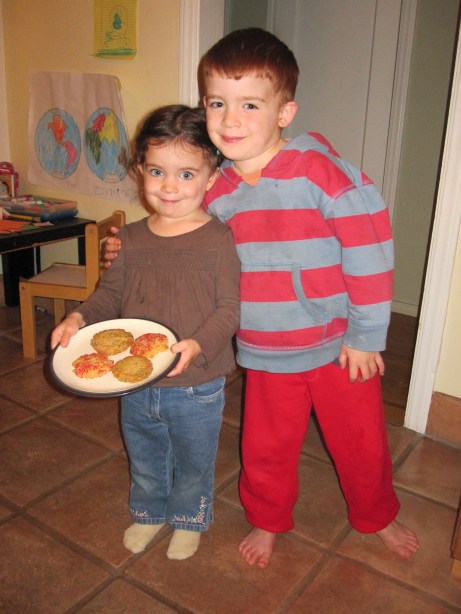
Many cultures have special ways to celebrate the Winter Solstice, the Northern hemisphere’s shortest day. This is naturally a time of year to draw inward, hibernate, and nourish our minds and souls with quiet time. The holidays though, provide an opportunity to gather, share, and allow us to look forward to the brighter days of spring and summer. As a child, I loved Santa Lucia Day. I would dress in a white robe, crown myself with lit candles and then, with hesitant steps, deliver cookies to my family or classmates. It is easy to hook children into a tradition, when cookies are involved! My daughter is still too young to wear a crown of fire, but still she glowed with pride at being the chosen one to carry the cookies to our table.
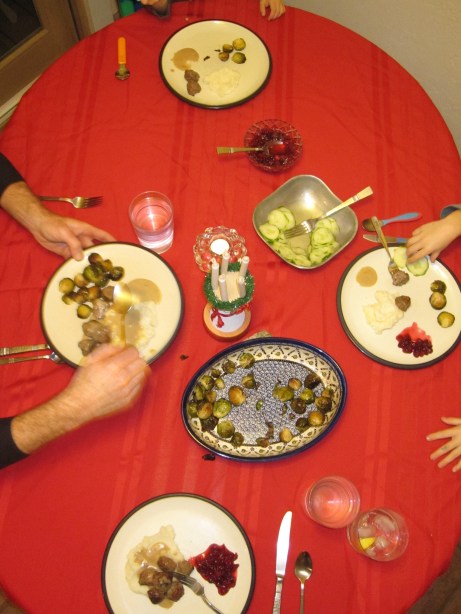
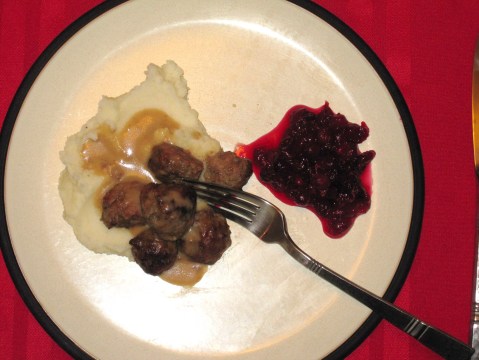
The foods we prepare and serve our loved ones on these special days define our traditions. In honor of Santa Lucia, I prepared a hearty feast of Kottbullar (Swedish Meatballs). To complete the meal, I served them with mashed potatoes, roasted brussel sprouts, cranberry sauce, and agurke salat (cucumber salad).
 This meal ties my family and me to our ancestors. The meatball recipe originates from my maternal great-grandmother, Agda, who grew up in Sweden. I never had a chance to meet Agda, or Gigi as she was affectionately known by her grandchildren. Nonetheless, I feel a connection to this special woman through the rosy stories shared by my mother and her cousins. Of course, her spirit lives on through her recipes as well.
These meatballs are outstanding. If you have only experienced Swedish meatballs from the cafeteria line at IKEA, you are going to be blown away. They are tender and moist without any of the strange chewy texture that plagues store-bought meatballs. The subtle sweetness and hint of allspice make for a delicious treat. In this recipe, you broil the meatballs to brown them. This is a huge time saver over browning them in a pan. You still get that yummy caramelization without all the time and trouble of stove top browning. One significant change from the family recipe is the omission of veal. I have too many fond memories of feeding calves on my aunt and uncle’s dairy farm to consider veal good eats. If anyone knows of a source for humanely raised veal, let me know. This dish is a huge hit with my whole family. Serve as a main dish or a popular appetizer!
 Swedish Meatballs (Kottbullar)
Adapted slightly from my Great-grandmother Agda
serves 6 as a main dish
1/3 cup minced onion
1/2 cup bread crumbs
1/2 cup milk
1 egg
2 1/2 teaspoons salt
3 teaspoons sugar
1/2 teaspoon allspice
1/4 teaspoon nutmeg
1 pound ground chuck
1/2 pound ground pork
Soak bread for 5 minutes. Add the rest of the ingredients and mix well. (I like to use my hands to mix instead of bothering with a spoon). Roll into 3/4 inch balls. Wet your hands well to prevent sticking. After several meatballs, if your hands begin to stick, simply rinse them in warm water and begin again. Place meatballs on baking trays, cover, and refrigerate at least 2 hours.
Remove trays from refrigerator and uncover. Brown under broiler. Put in a baking dish with 1/2 cup beef broth. Cover and bake for 45 minutes at 350 degrees. Alternately, place in a slow cooker on low.
Serve meatballs over potatoes, egg noodles, or eat them with a toothpick. They are delicious enough to stand on their own, but yummy with gravy too.
These meatballs freeze very well. Feel free to double the recipe and make enough for another dinner.
Here is a printer friendly version of the recipe: Swedish Meatballs (Kottbullar)
You may also like:



 My Pantry Shelf