Moorish-Style Chickpeas and Kale
October 29, 2011
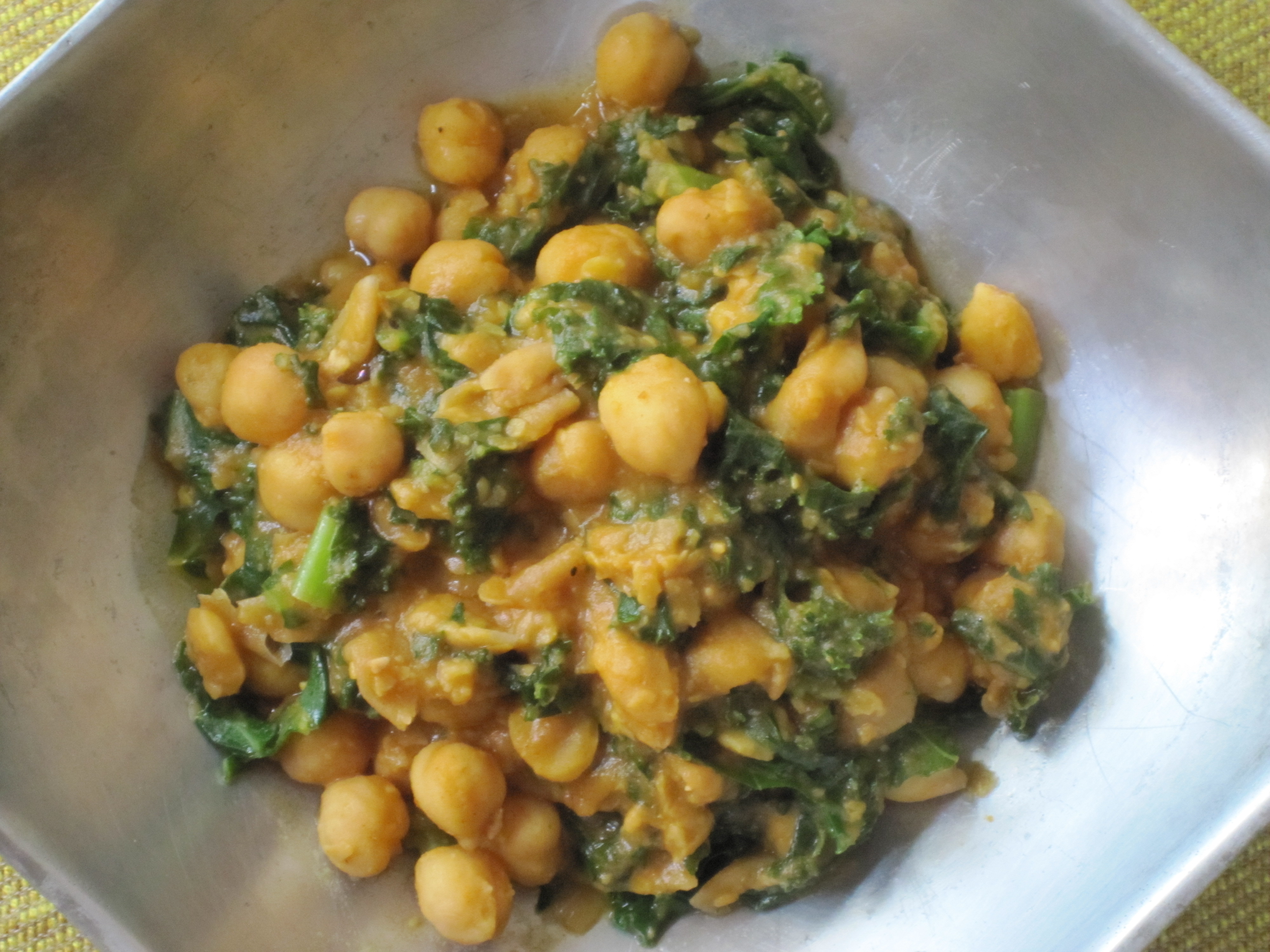 There is something magical about a recipe that can turn the simplest ingredients into something remarkable. A recipe that causes one to dig through the dish looking for the secret ingredient, the one that turns an otherwise plain looking pile of beans and greens into something worth looking forward to. This is such a recipe. A deceptively simple list of parts come together into a whole that is bursting with flavor, texture, and depth. If you pay any heed to the opinions of my son (and you should because eating is his favorite pastime- lucky for me), you should know that he likes this dish “to infinity!”
My husband brought this recipe home. It was a rare valuable fruit from his long hours spent on the road, commuting and listening to the radio. All Things Considered on NPR ran a series on how to feed a family for under $10. This dish may look like college potluck fare (at least if you went to school in Oregon like I did), but the tastes are elevated well beyond. Playing a lead role are the garlic cloves which are browned in ample olive oil, then mashed with bread fried in the same garlicky oil. The toasted bread, sweet rich garlic, along with notes of saffron and cumin turn this simple dish into one worth planning a meal around. The recipe below is modified from the original in a couple of ways. Most notably, I subbed in kale for the recommended spinach. Kale holds up well if you choose to make this a bit in advance, it is also more available this time of year. I have made it with spinach as well though and it is delicious. The bean cooking method is simplified a bit and salt measurements are added. This dish is a one-pot wonder that necessitates no sides, but do not forget a nice glass of wine to wash it down.
Read the rest of this entry »
Acorn Squash Rings with Apple Glaze
October 23, 2011
 Nothing says fall like winter squash… and apples… and walnuts, so clearly this is the perfect side dish to make NOW. We are big fans of butternut squash around here, check out the Butternut and Black Bean Salad from last year. This year though, somehow butternut squash never made it into the ground and we are the happily storing quite a few acorn squashes that took their place in the planting beds. There are lots of fun ways to cook up these beautiful treats, but my favorite is to make Acorn Squash Rings with Apple Glaze.
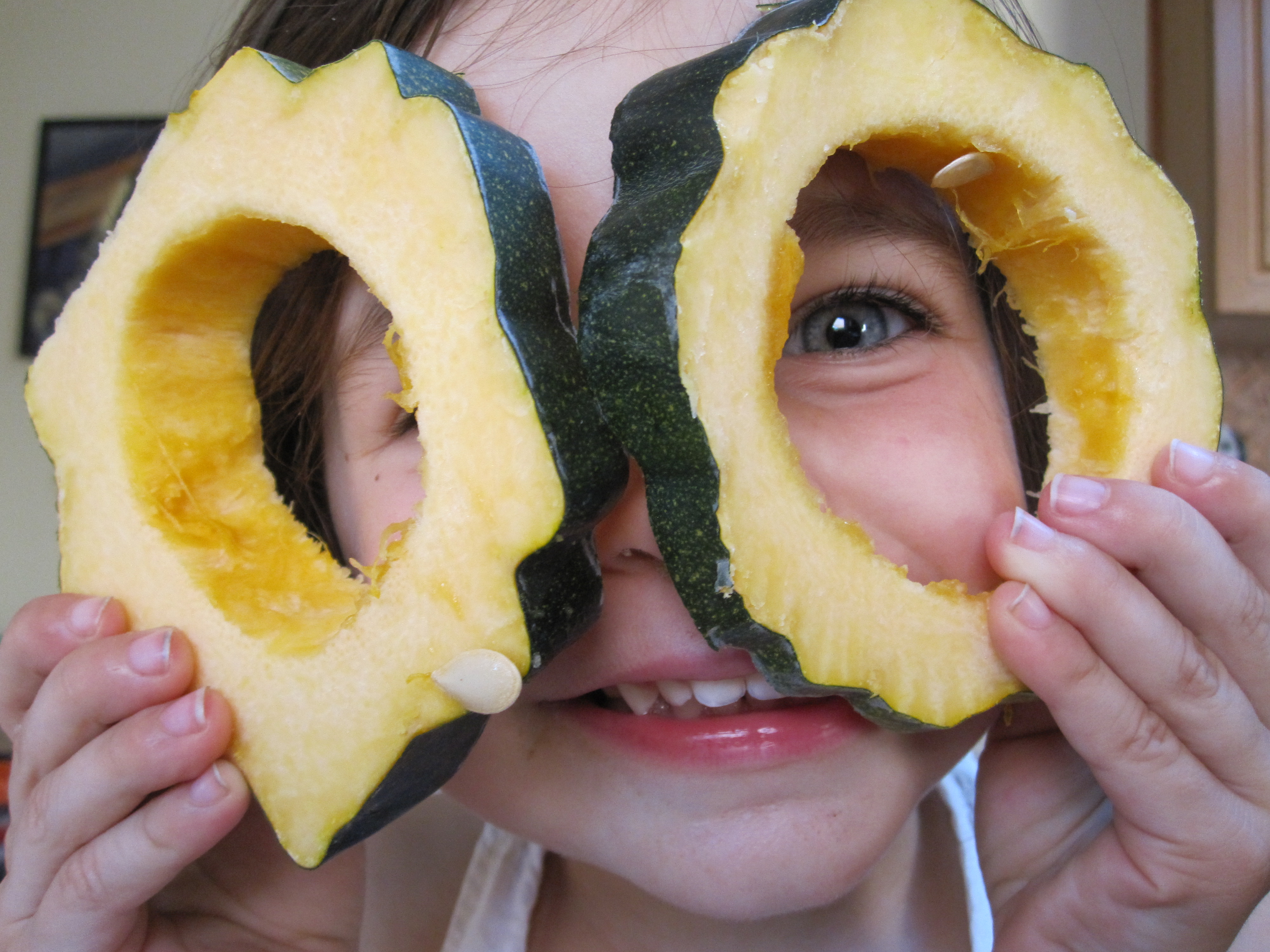
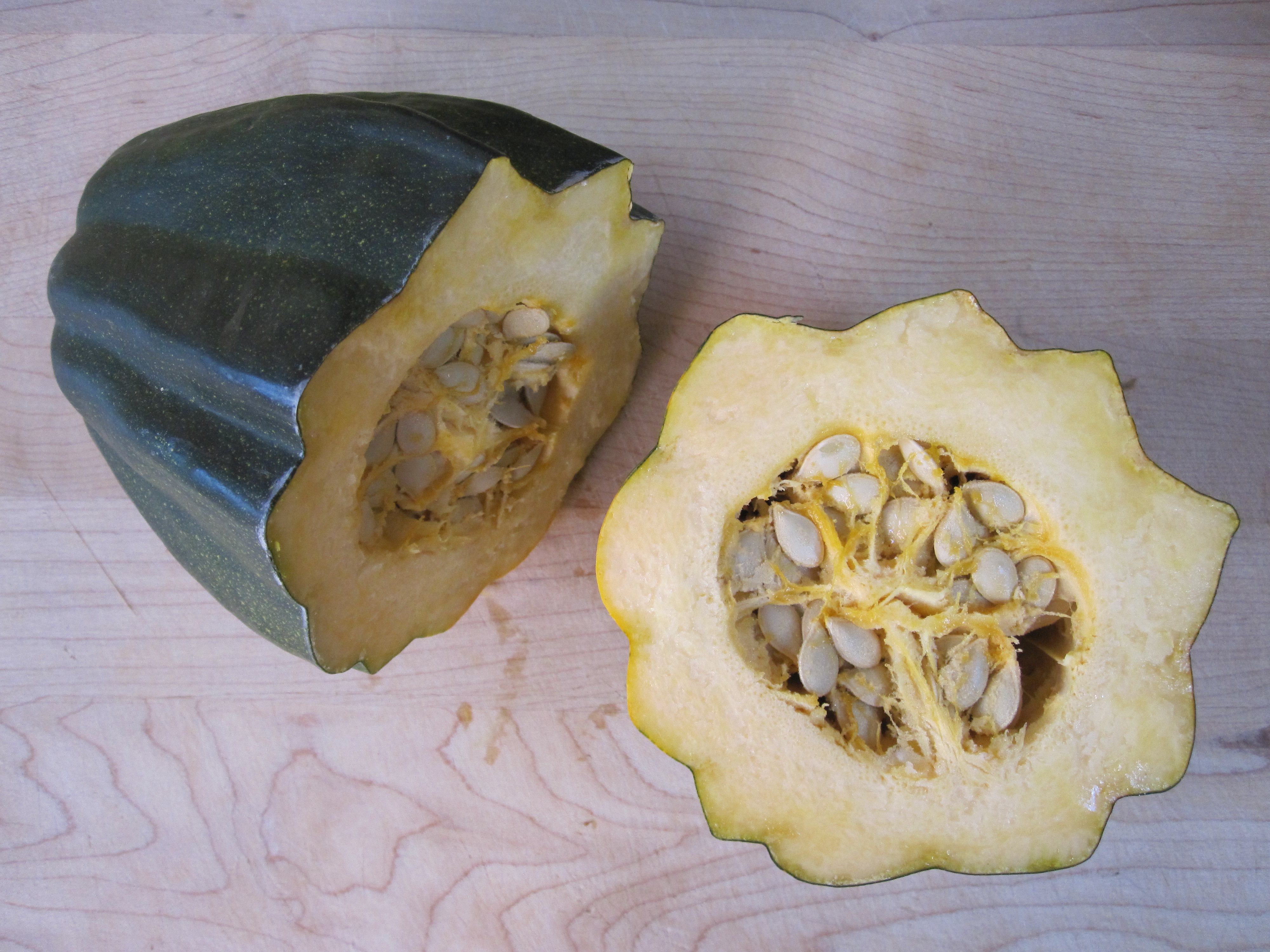 Take care in slicing the squash, as that is as good a way as any to loose a finger. It helps to take a small slice off of one side, then place the cut side down. That will give the squash some stability as you hack into it. Scoop out the membrane and seeds and they are ready to steam. Do not forget to try on some squash glasses for size! Note: at least with my kids, they are more likely to eat the veggies if they have a hand in making/playing with them! (For more ideas on getting kids to eat their veggies check out this post.)
 This recipe is not mine and if you look you will find many versions on the web. While that may be a turn-off to some, I say it is evidence of a great recipe that is worth sharing. My version uses non-clarified butter and less of it, but otherwise it is basically the same. The tender squash soaks in the sweet and tangy apple glaze and the candied walnuts add a pleasant crunch. These rings look beautiful on the plate, making it great for a weeknight dinner or special enough for a holiday. My mother-in-law first introduced me to this yummy dish with asparagus laced through the centers of the rings (as you will find is the most common version.) I opted not to include the asparagus this time (there is no chance of finding local asparagus in October), but love the way they make this into a truly elegant side dish. If we have any squash leftover in springtime, I will definitely add them in. The acorn squash rings are attractive enough to stand on their own, or fill the centers with a scoop of wild rice or stuffing.
Read the rest of this entry »
Classic Apple Crisp
October 17, 2011
 When I see my children voraciously take down one apple after another, it is hard for me to believe that I hated apples as a child. But you remember those days, do you not? Living in a suburban/ urban community before the food revolution, when an apple was a Red Delicious, donning a shiny waxy coat, stored for too long under the wrong conditions. Apples were mealy and bland with tough skins and I did not want to eat them. At around age 10, I discovered Granny Smiths. Ohhh a tart apple, I began to adjust my verdict, but still they were nothing to sing of. It may have been a long journey, but I have finally learned the virtues of the apple.
 We have one apple tree in our backyard, but it supports five varieties of apples, all grafted on different limbs. These are REAL apples. Apples with character, flavor, aroma, variations of texture and shape. The apples ripen at different times keeping our family flush with apples through most of the season. For this we are grateful, because our kids love apples. No need to tell them the “apple a day” story, left to their own devices they would gladly eat more than that. Fortunately, my parents have multiple apple trees, so our pantry generally has a large box of apples to choose from through the months of August and September. We also keep a box full in the fridge for longer storage. What we can not fit in the refrigerator is cooked down into applesauce, sliced and dried, or cut and bagged for the freezer. This ensures we can enjoy the taste of our own apples through the winter.
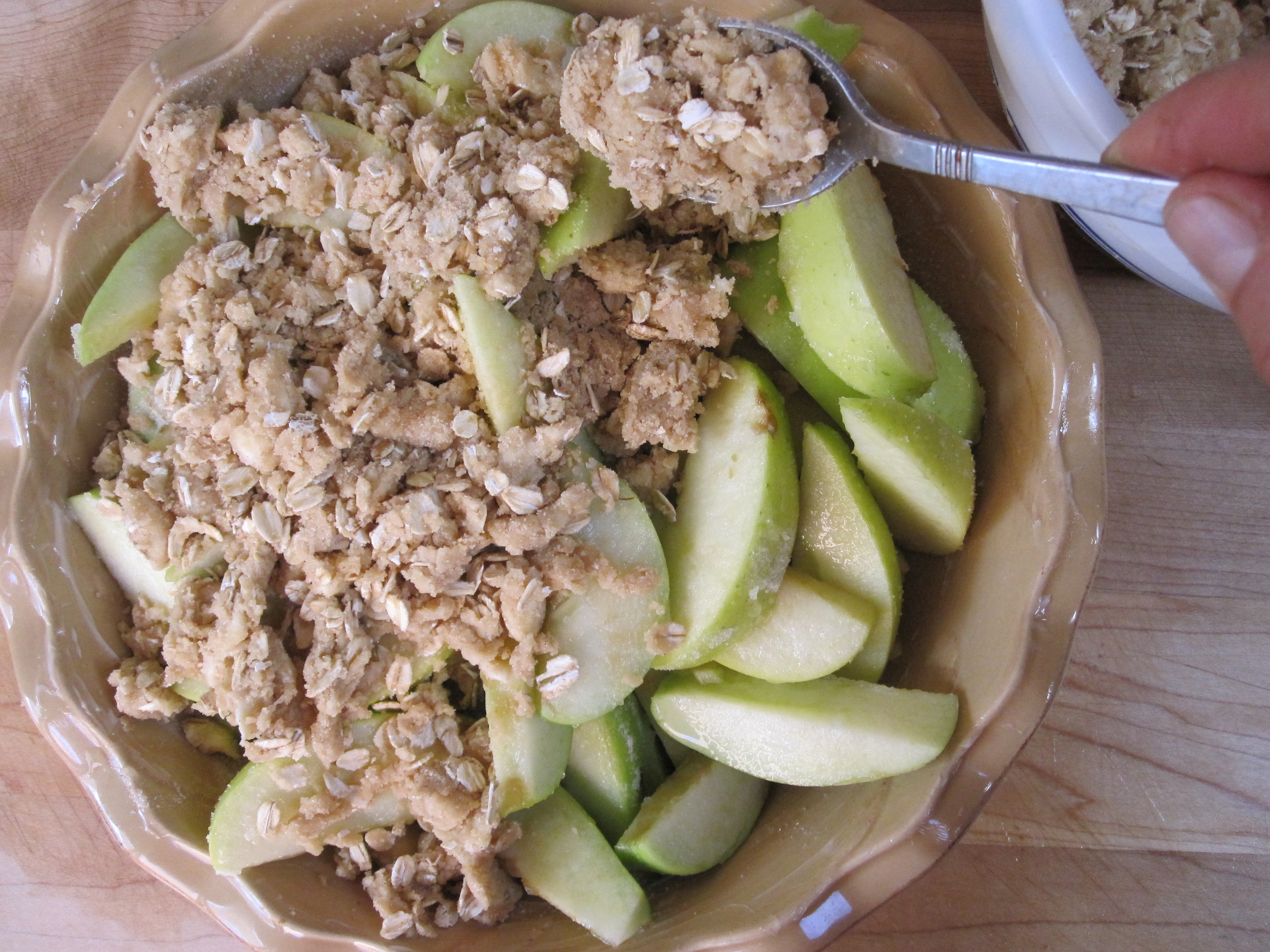
 One of the simplest and most delicious ways to treat apples is to prepare a Classic Apple Crisp. The apples are cored and sliced, then tossed in a bit of sugar. Lay them down in a buttered baking dish and sprinkle a mixture of flour, butter, oats, and brown sugar. Sweet, tart, buttery, delicious. Do not leave out the vanilla ice cream. In fact if you ask my son, he will straighten his posture, squint his eyes, and tell you, “The rule is: you must have ice cream with apple crisp” in a tone that is frighteningly authoritative for a five year old. It is best to do what he says.
Read the rest of this entry »
Sesame Pita Bread
October 13, 2011
 There is no substitute for home baked bread. When baking at home we can experience each magical step of the baking process. The bubbling of the yeast as it proofs and the rapid transformation of dry flour, salt, and water into an elastic mass that rises with life. We shape the bread into loaves or braids or flatbreads (or the strange masses my kids insist on baking). Once baked, the breads’ fragrant steam is intoxicating. These are the secrets of the home baker. None of these special experiences can be found in a bag of bread on a market shelf.
 Regretfully, my life is too full to bake all of our bread at home. While there are a few bakeries that offer excellent breads in our area, I have yet to find a great source for pita breads. Since pita bread is so thin, it becomes stale very quickly. Most of the doughs are treated with conditioners to extend their shelf life, but in the process destroy the quality of the bread. This recipe, adapted from Baking with Julia, is a perfect solution to this problem.
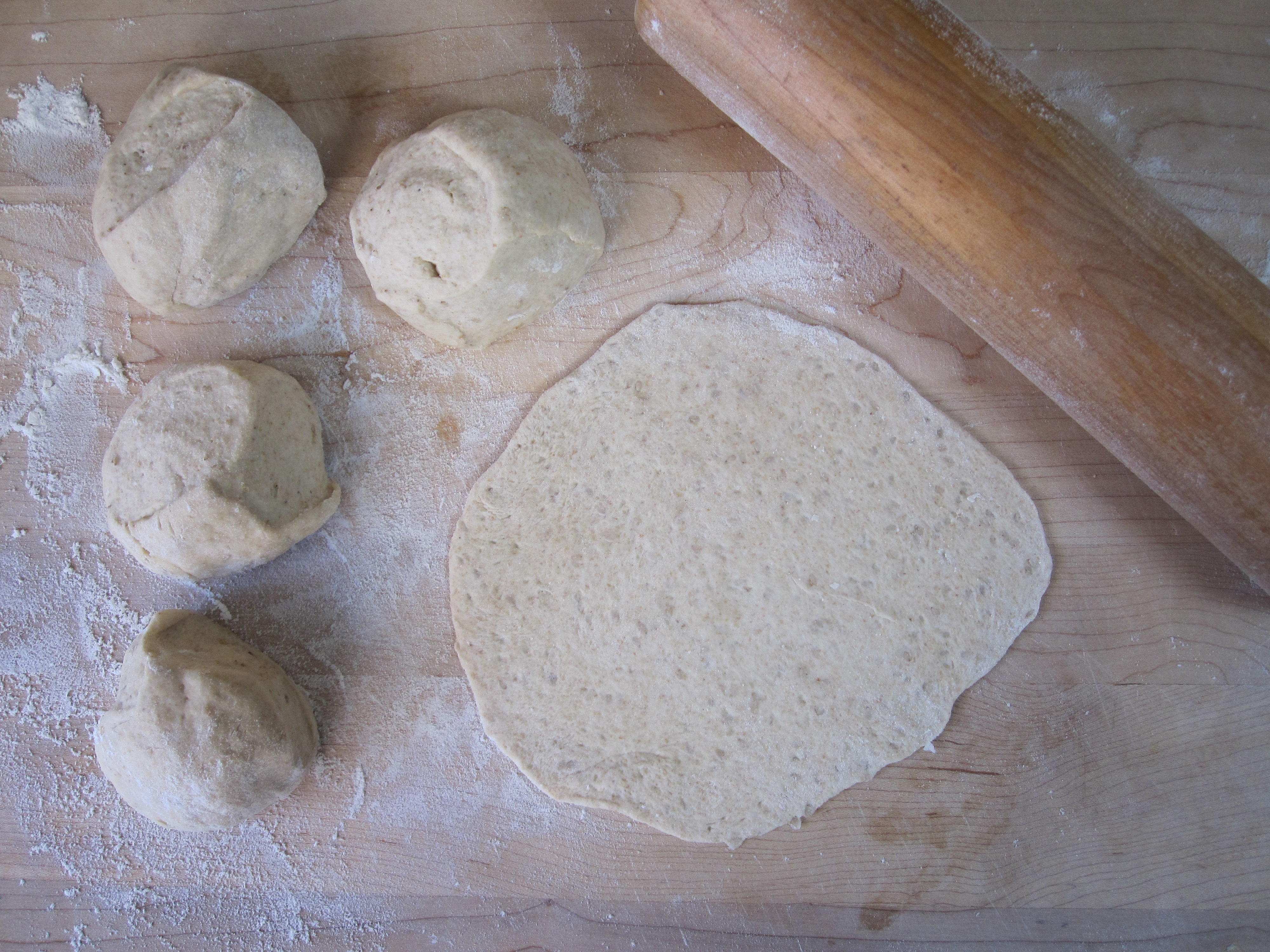 Sesame Pita Bread eliminates the need to settle for store-bought pitas. The dough is made in advance and stored in the refrigerator. Cut off pieces, shape, and quickly bake for fresh bread throughout the week. The pita is fragrant and flavorful. It yields just the right amount of chewy resistance when you bite into a piece. The sesame seeds add just a hint of flavor and texture to this otherwise plain dough. Serve the pitas on the side of any saucy dish, brush the tops with garlic butter a different twist. Slice them in half and fill with lamb, hummus and veggies, or the classic falafel. I am still searching for a fantastic falafel recipe. Please share a link below if you have one.
Read the rest of this entry »
Chicken Chile Verde with Hominy
October 5, 2011
 We only grew one tomatillo plant in our garden this summer. Based on our past success with these, I did not expect that we would harvest very many fruits. So I was dumbstruck the other day when I went to harvest. We had so many tomatillos that I had to rally the kids to hand over their sand buckets so we could fill them with fruit. We harvested over 4 gallons of tomatillos from one plant!
 Tomatillos are a funny fruit. The firm green fruit is encased in a papery husk that is removed before cooking. The fruit itself is sticky to the touch, though this substance washes off easily. Though they are sometimes confused with green tomatoes, tomatillos are actually from a different plant family. Tomatillos are best known for their role in green salsa. One of our favorite preparations with tomatillos is to make Grilled Tomatillo Salsa, the other is this stew.
 Chicken Chile Verde with Hominy is a perfect way to celebrate the tomatillo. Cook them up with peppers, onions, and cilantro ,then braise the browned chicken and hominy in this tangy sauce. The stew is warm and nourishing, yet the flavors are light from the tart tomatillos. Do not forget a squeeze of lime over the top at the last minute for a bright, acidic note. This stew can stand alone, but serve with a simple slaw and some warm tortillas for a complete meal.


 My Pantry Shelf