Mango Cranberry Chutney
March 24, 2011
 Have you noticed the beautiful mangoes in the market this month? They are abundant, inexpensive, and delicious! Mangoes have firm flesh and a sweet and tangy flavor. This makes them incredibly versatile. They are hardy enough to cook, soft enough to eat raw, and excellent in salads and of course chutneys. First though, you have to know how to cut into the fruit. Since mangoes have a disc-shaped seed in the center of fruit, it is important to locate it and cut around the seed.

First peel the fruit.
 Then, hold the fruit upright and slice down, guiding the knife along the side of the seed. Repeat on the other half, so you end up with two halves and one seed pod with minimal flesh attached. Slice or dice the mango halves depending on what you are using it for.
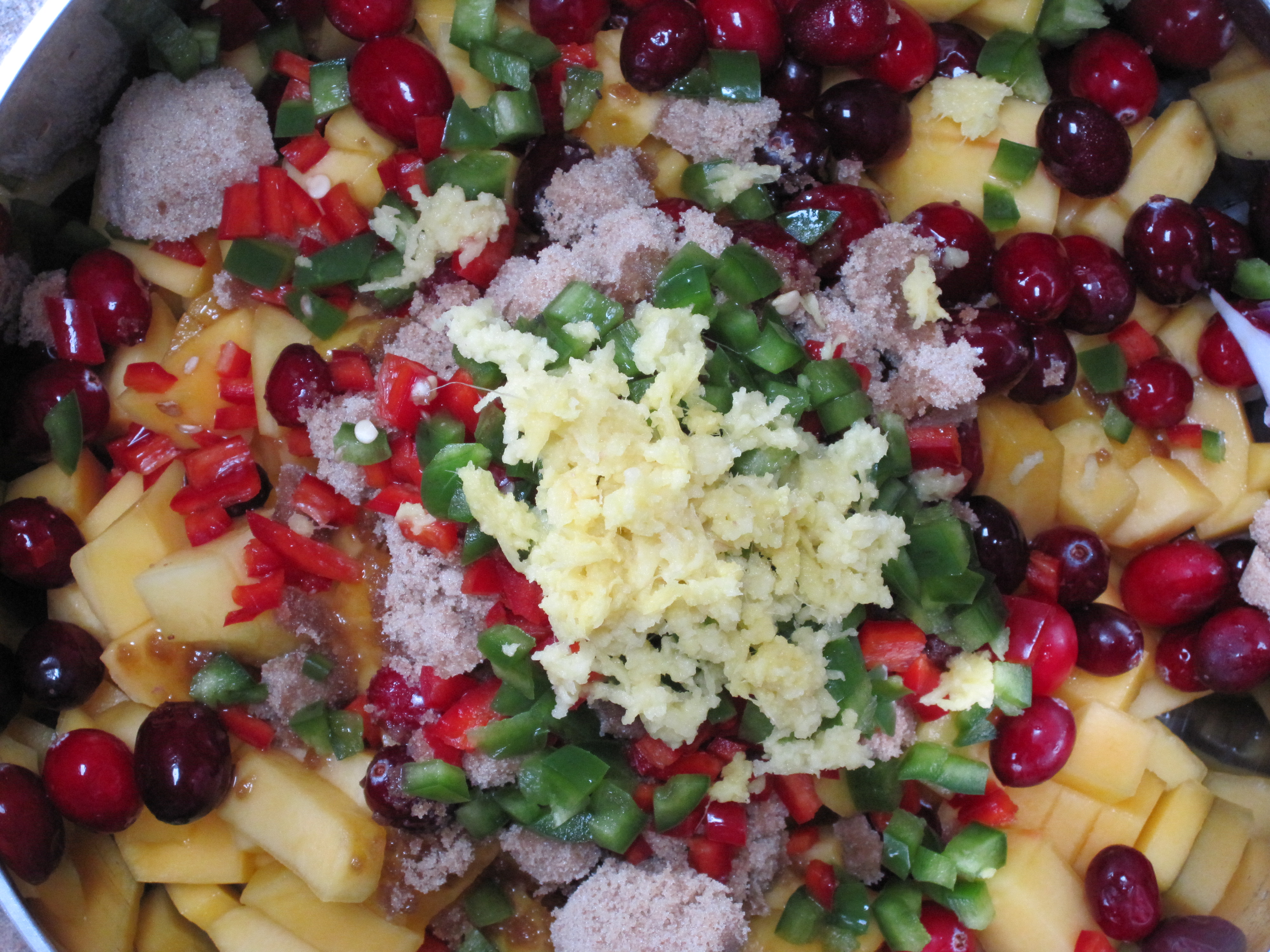 Mango Cranberry Chutney is a medley of sweet mango, tart cranberry, spicy peppers and zippy ginger. I love having a stash of it in the pantry. It is a wonderful accompaniment to a cheese platter. I made this batch especially to serve with Redwood Hill’s cheese at the Sono-Ma Soiree tomorrow night. It is also delicious as a side to any Indian meal. Try it with Divine Indian Butter Chicken.
Corning Beef and My First Reuban Sandwich
March 21, 2011
 My first Reuban Sandwich was a long time coming. You see, I am still a bit of a recovering vegetarian. From the number of meaty posts of late, I can see that my recovery is going well. There is so much good, humanely raised meat to be eaten, but still I sometimes hesitate and by no means eat it daily. So I was reluctant to sign on to the meat making challenge of the year, Charcutepalooza. Though, my curiosity and drive to learn about this art of which I know so little forced me to sign on. My first challenge- brining.
Brining is so easy, it is hard for me to think of it as true charcuterie. It involves soaking meat, or other foods, in a salty solution for a time and then eating directly, or cooking. The brine infuses the meat with flavor and moisture, transforming an ordinary cut of meat into something special. The Saint Patrick’s Day staple of Corned Beef is a perfect example. An ordinary brisket is soaked in a spiced brine and a week later emerges as a completely different beast, begging for cabbage and potatoes or to be made into a Reuban Sandwich.
 Saveur magazine featured a recipe in their last issue for Corned Beef. I omitted the pink salt (sodium nitrate), because I did not have that on hand. Because of that, the brisket did not have the signature pink color of the supermarket corned beef, but the flavor did not suffer. This recipe is definitely a keeper. My husband commented that he didn’t think that he could bring himself to eat supermarket corned beef again. We agreed that the natural brown color of the meat was actually more appetizing than the artificial looking pink that we tend to associate with corned beef. We loved the meal, but what I was really looking forward to was the leftovers, made into homemade Reuban Sandwiches.
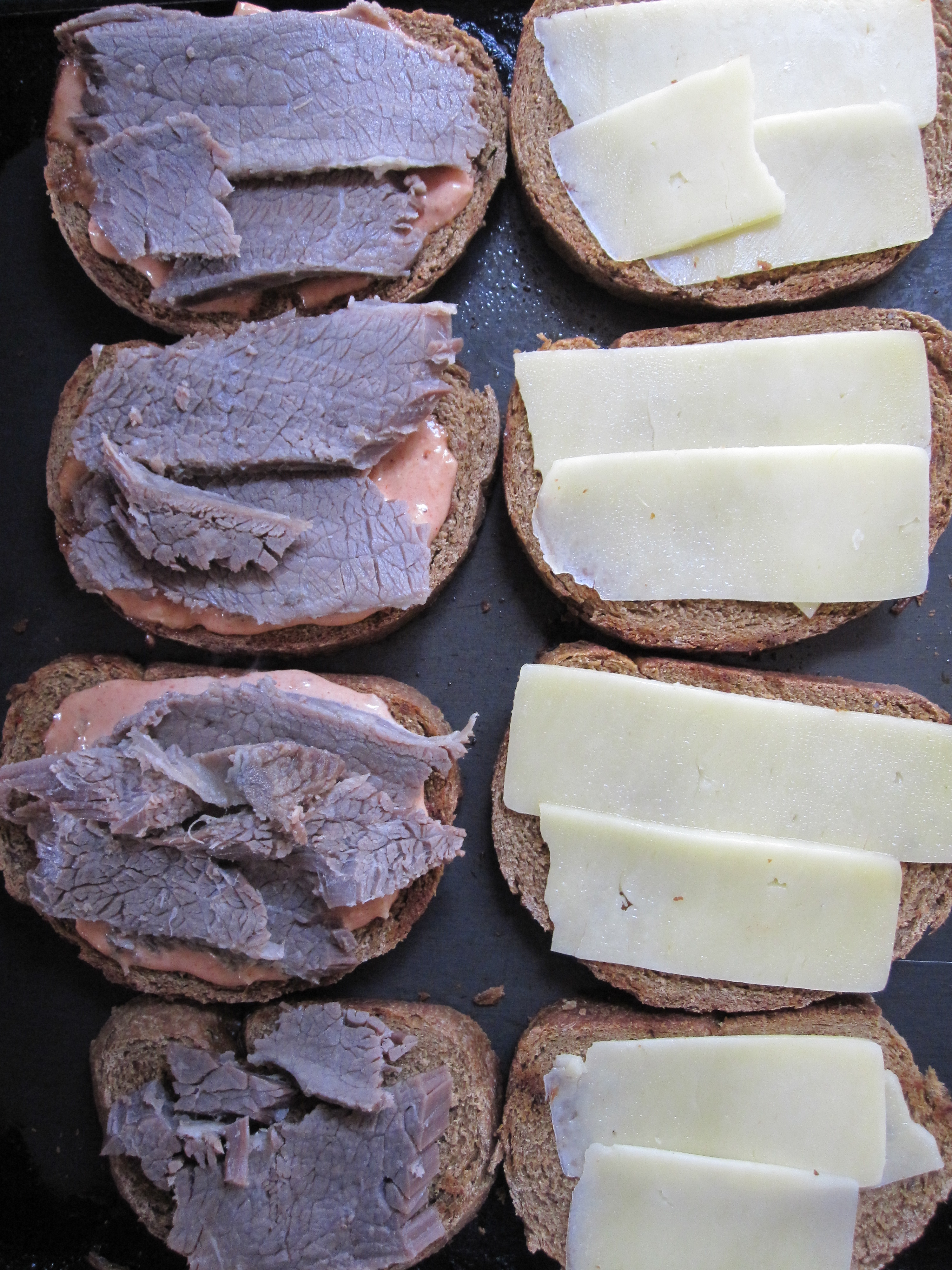 For weeks I have craved a Reuban Sandwich. Perhaps this is a normal post-St. Paddy’s Day leftover item, but for me it is my first. Why I regularly crave foods I have never eaten, I do not know. I do know the sandwich was delicious, and I will make it again. Early in the morning, I mixed up dark rye bread dough, using a recipe from Bernard Clayton’s The Complete Book of Breads. The flavor was well developed, but the dough never rose properly despite adding extra hours onto the recommended rise time. I intended to share that recipe as well, but I will spare you the disappointment. Luckily, the bread was still very enjoyable so I used it anyway. It worked fine, but the sandwiches were small.
Putting together a Reuban is easy. Heat up the griddle, grease it, and toast one side of your bread. Flip the bread and top one side with Russian dressing and corned beef and one side with swiss cheese (or I used Irish cheddar). Top the meat with a pile of sauerkraut. Flip the cheesy side onto the meaty side. Press down with a heavy pan until sandwich is heated through and adheres to itself. Eat and enjoy!
And so a new tradition is born, I can see many years of homemade corned beef and Reuban sandwiches in our future. Even the kids have signed on, minus the sauerkraut.
Corned Beef
adapted from Saveur Magazine
serves 10
1 Tablespoon whole allspice
1 Tablespoon cloves
1 Tablespoon coriander
1 Tablespoon crushed red chile flakes
1 Tablespoon mustard seeds
1 Tablespoon whole black peppercorns
3 bay leaves, crumbled
1 1/4 cups kosher salt, plus more to taste
3/4 cup sugar
1 Tablespoon pink salt (optional)
1 5-lb. first-cut beef brisket
Toast the spices in a skillet over medium heat until fragrant. Heat 8 cups of water, sugar, and salt until sugar and salt dissolve. Refrigerate until cool. Combine with 3/4 of the spices (reserve the rest for cooking the brisket) and pour over beef in a large container. Weigh meat down with a plate so that it remains submerged. Cover and refrigerate for 5-7 days.
Drain and rinse meat. Place meat in a large pot with reserved spices and cover with water. Bring to a boil and then simmer for 1 – 2 hours or until meat is tender. Remove from water and slice thinly. Serve with potatoes and boiled cabbage, or make it up into a Reuban Sandwich!
Here is a printer friendly version of the recipe: Corned Beef
Check out this other recipe for brining:
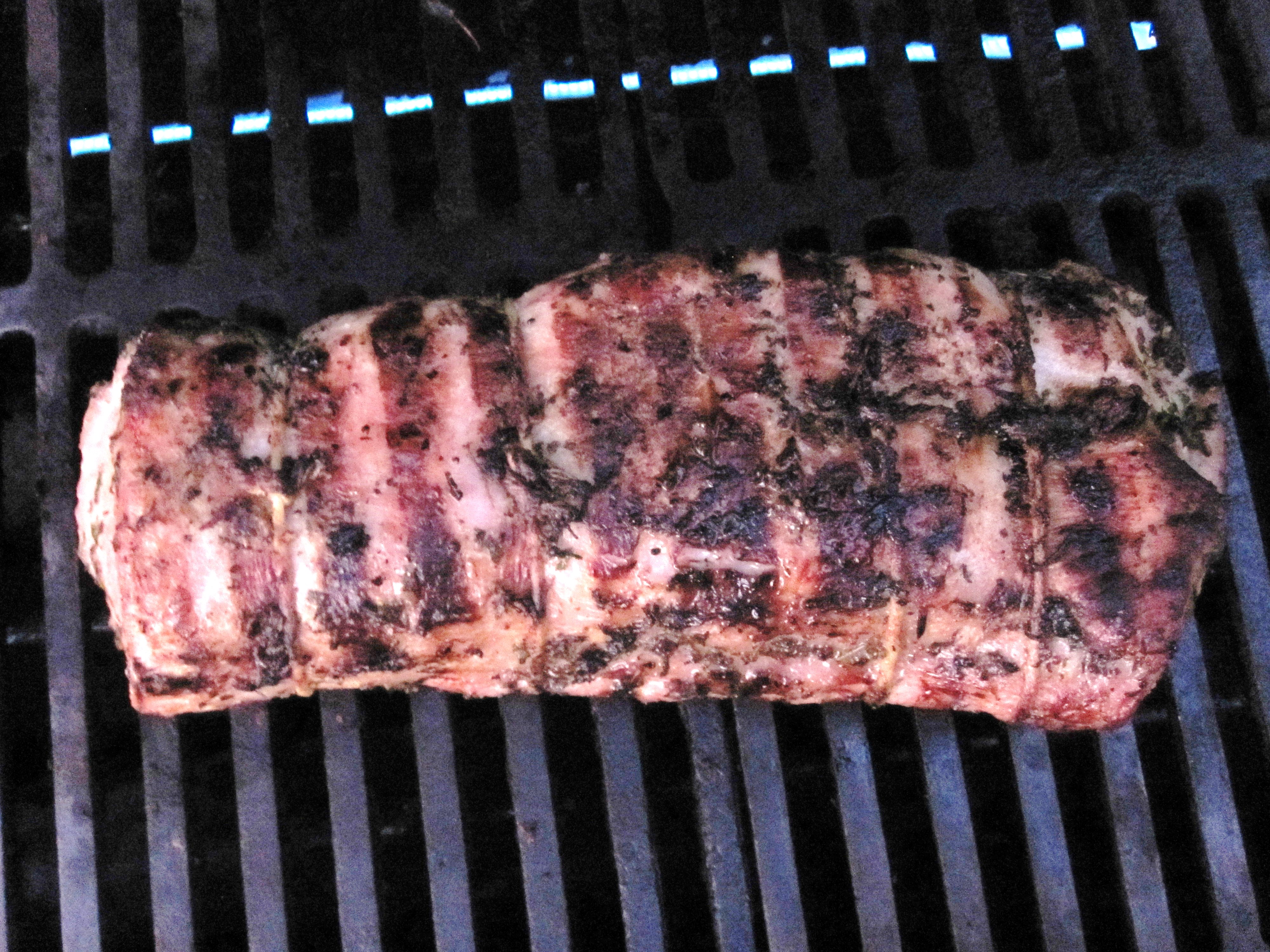
Herb Rubbed Pork Loin with Onion, Raisin, Garlic Compote

Irish Watercress Soup
March 15, 2011
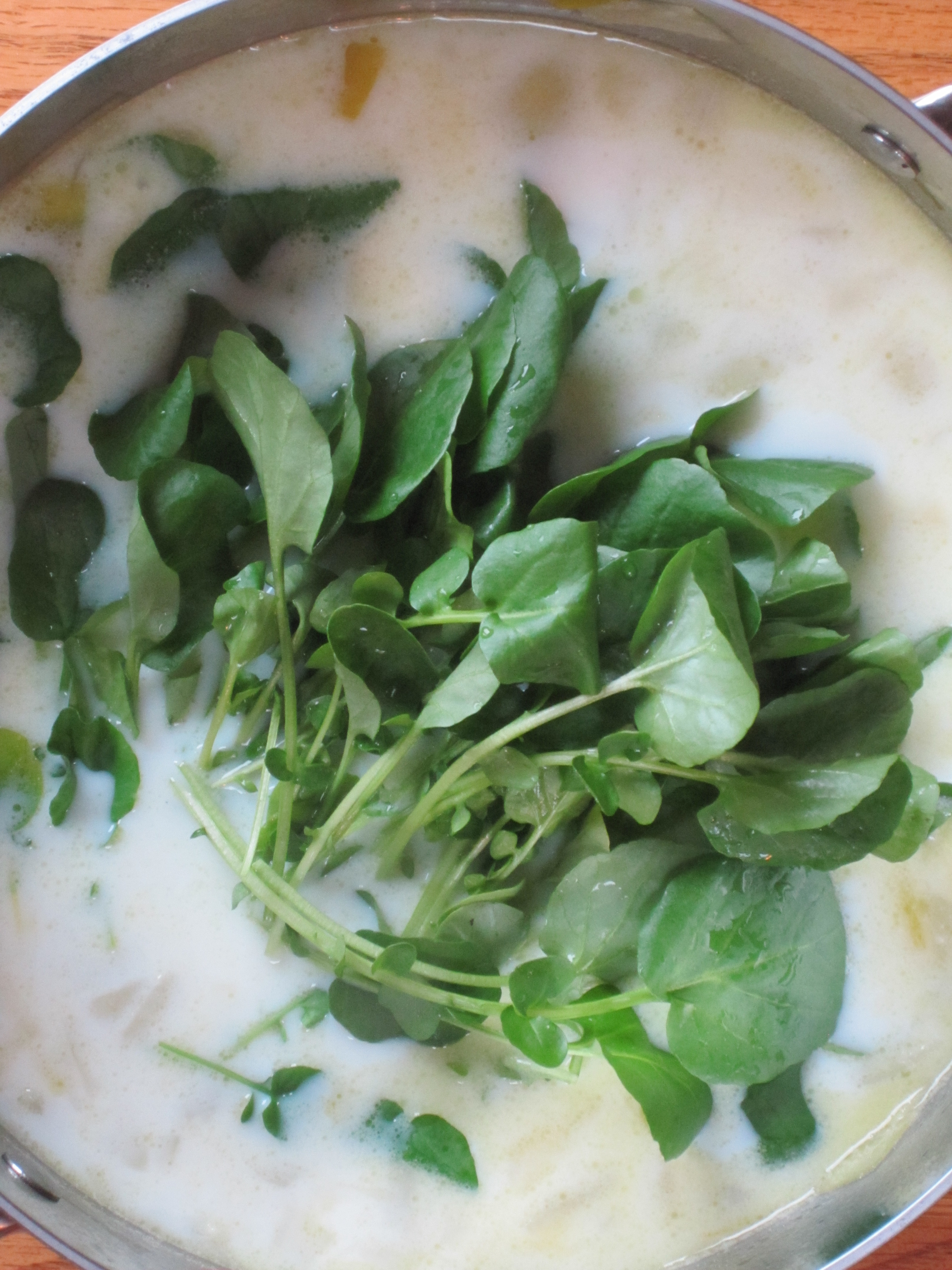
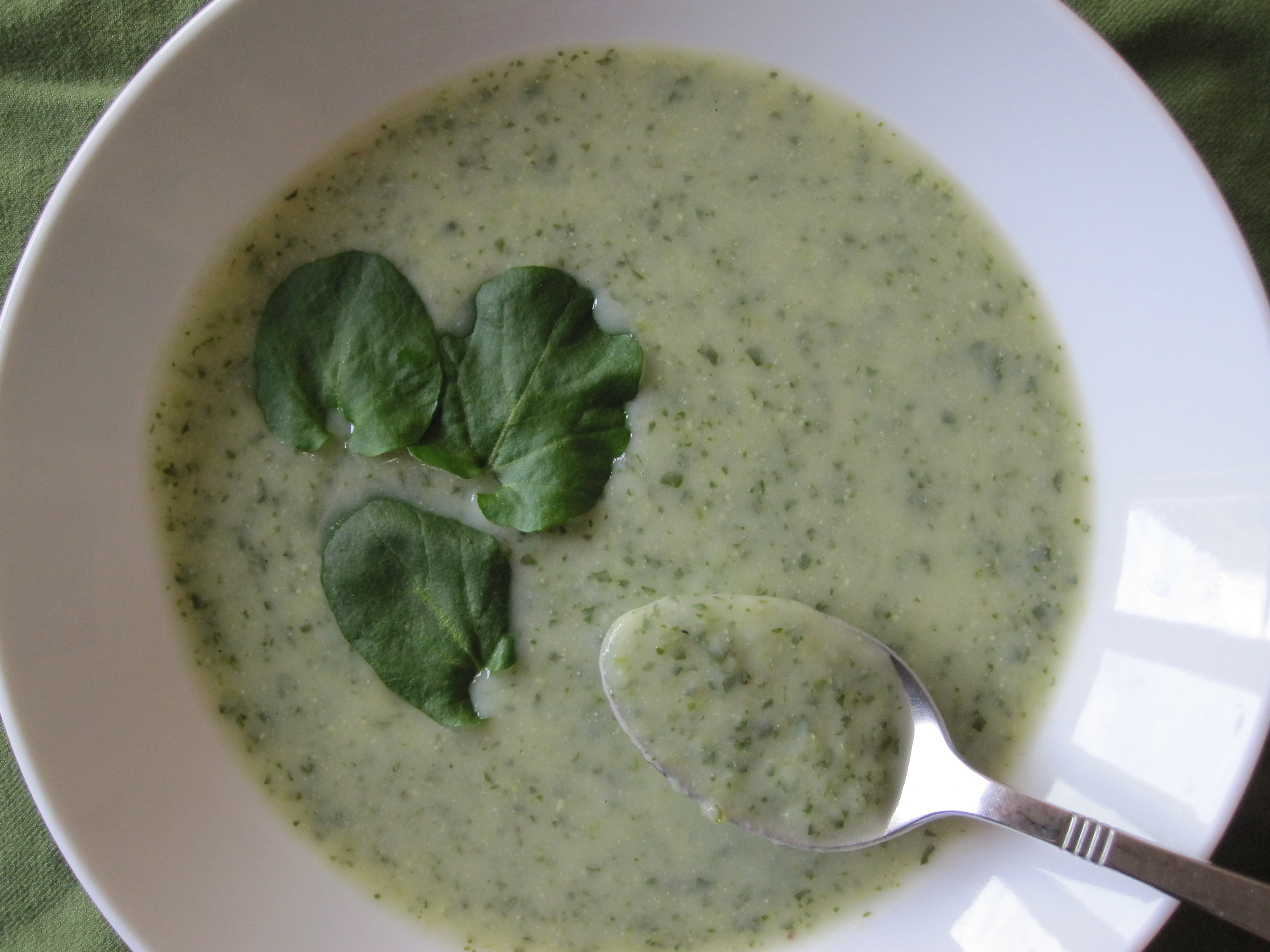 St. Patrick’s Day in the United States is best known for the table top spread of corned beef, cabbage, and generous glasses of Guinness. While my family does enjoy this time-honored meal (I am curing my own brisket for the occasion as we speak), there are many other dishes that can also serve to mark the day. This year, I made Irish Watercress Soup in addition to the standard fare .
 Watercress first came into my awareness while reading the children’s classic, Trumpet of the Swan. Reportedly, it is one of the oldest known leaf vegetables to play a role in the human diet. It comes from the same family, Brassicas, as broccoli and mustard, and the same genus as nasturtiums. The peppery bite is very reminiscent, though milder than the spicy taste of nasturtium flowers. Blended into a traditional potato leek soup, it imparts a beautiful green color and bright peppery flavor. This soup has a rich taste, despite being vegetable based and fairly low-fat. It is hardy enough to serve as a main dish with a side salad and crusty bread.
Read the rest of this entry »
Sausage and Kale Dinner Tart
March 11, 2011
 The other night at bedtime, my 4 year old son announced to me that he is a vegetarian. Never mind the fact that he had just put away three helpings of chicken at dinner. I nodded and told him he never had to eat anything that he did not want. He asserted once more that he was a vegetarian, but then went on to tell me that he only eats bacon, hamburgers, and sausage. Oh, I said, that kind of vegetarian. I was amused, but also relieved. Though I am sympathetic to vegetarians, since I refrained from meat and dairy myself for many years, it is so much easier to cook for a household that agrees to eat the same kinds of foods. Not to mention that my husband and I just filled the freezer with many pounds of homemade sausage. Now is not the best time to opt out of sausage in our house.
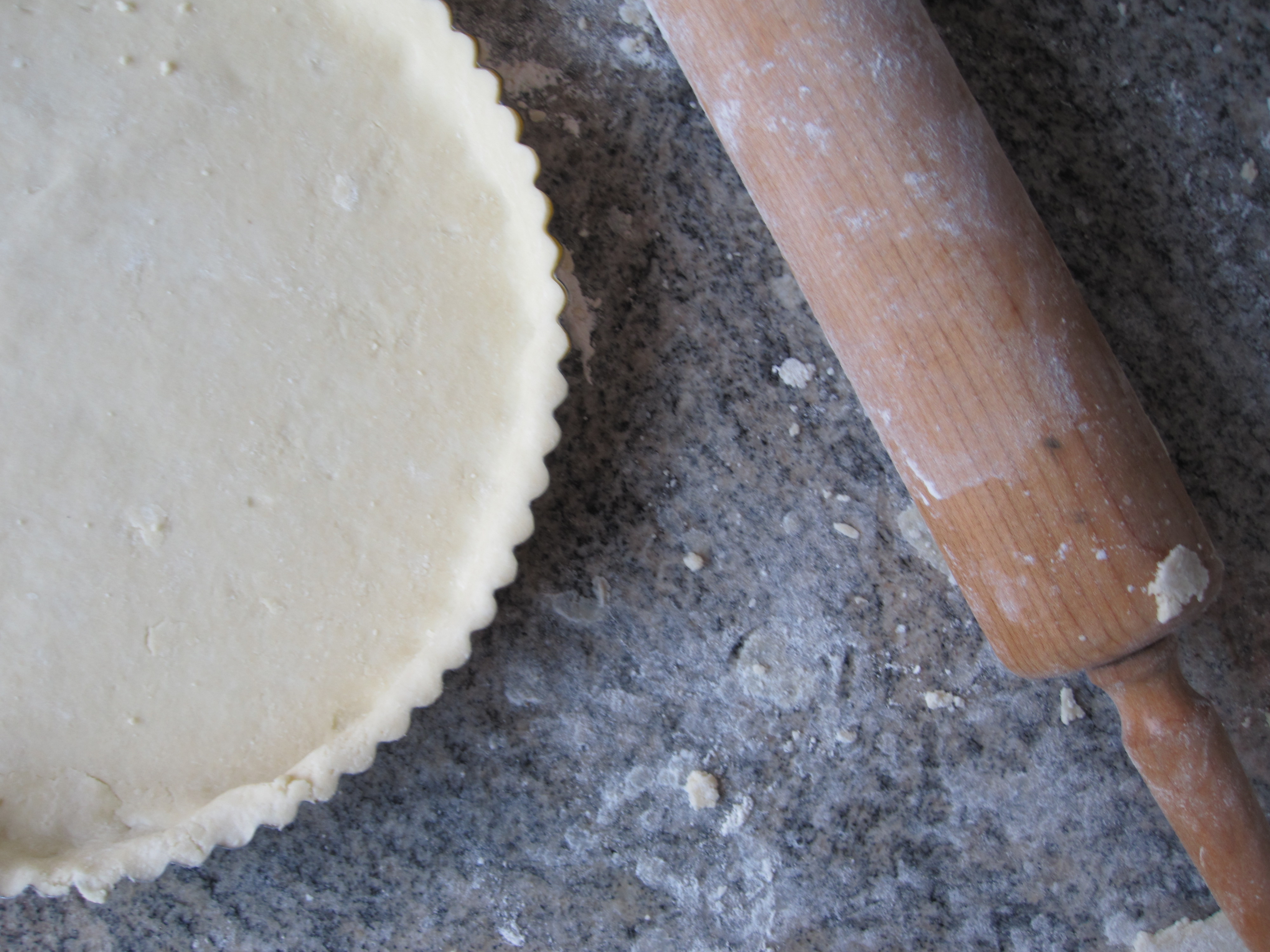 Oh, the Sausage and Kale Dinner Tart. This is the single most soul satisfying tart I have ever made. Sausage and kale both are iconic winter fare. They dominate this tart with only minor distractions from sauteed onion, garlic, and the slightest addition of ricotta cheese. Served atop the flaky butter crust, this is a winter meal to celebrate. Both pork and chicken sausage work equally well, as do kale and chard. You can trade out the egg for egg white, but it really will not put much of a dent in the fat of this dish given the buttery crust. This is not diet food. This is late winter though, and our last chance to enjoy the decadence of the cool months before the threats of swimsuit season are upon us. Enjoy!
Update: My Sausage and Kale Dinner Tart won for Best Dirt Cheap Dinner on food52!
Divine Indian Butter Chicken
March 9, 2011
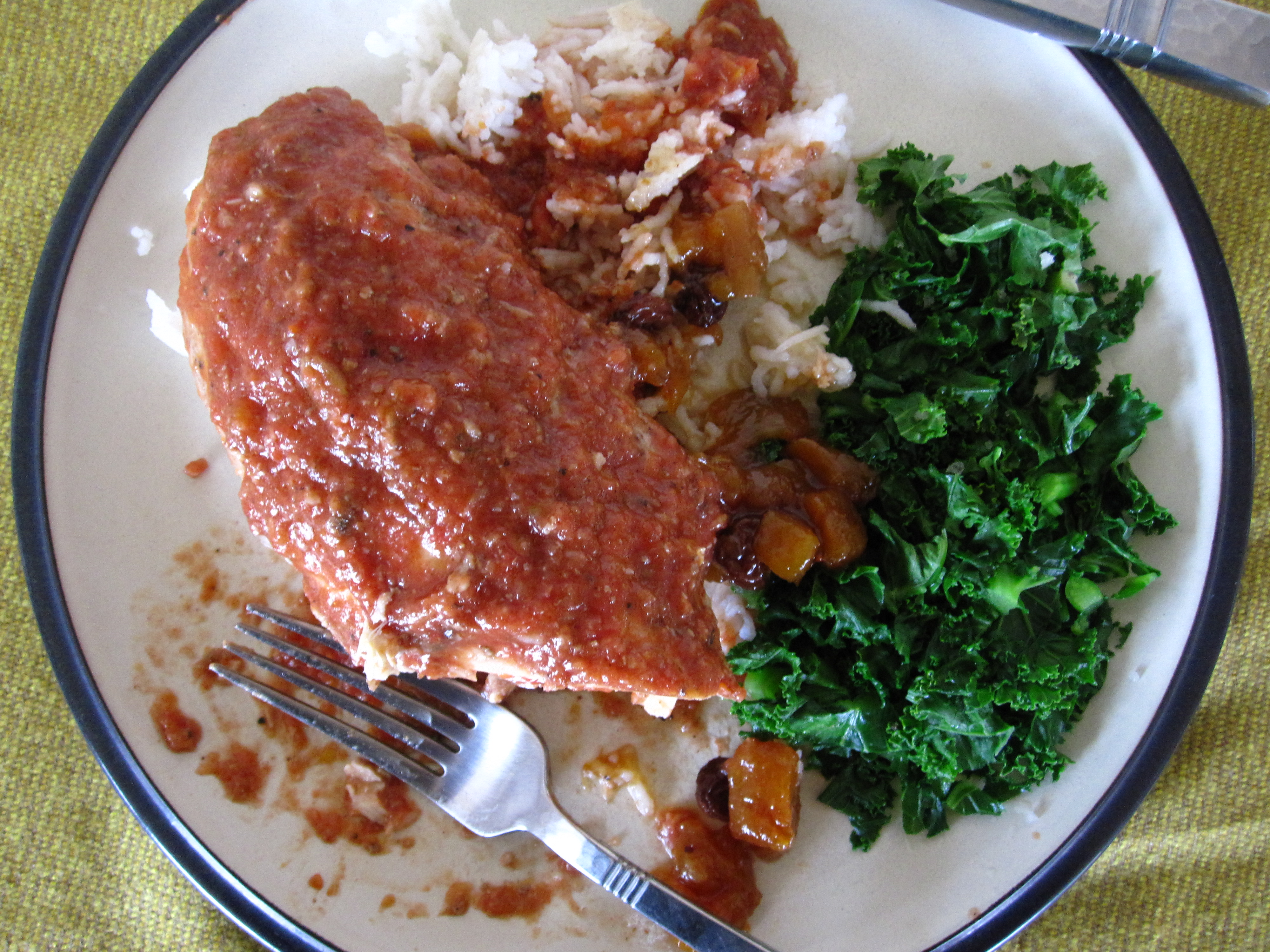 There are recipes I love, because the flavors produced are so unlike those I am apt to make on my own. There are recipes I love, because the technique is new to me and create an utterly delicious dish using a method I have never tried. This recipe fulfills both of those criteria. Though my family loves Indian food, I admit to being hung up on a few standard curries and dals that are regulars in our kitchen. This dish, though it uses familiar ingredients, is unlike any I have made in the past. Garam masala and ginger infuse the sauce of Divine Indian Butter Chicken with exciting flavor. The garlic, bay, cardamom, and cloves simmer slowly with the tomatoes deeply infusing the sauce with even more flavor. Top that off with butter and milk (or cream as the original recipe suggests) and you have a silky, spicy, delectable bath for the tenderest of chicken.
 The chicken first spends many hours soaking in a tangy marinade of yogurt, ginger, garlic, and garam masala. Yogurt tenderizes the meat as it soaks. The next step surprised me. The chicken is roasted at 500 degrees for 20 minutes. Never have I thought to use that kind of extreme heat on an ultimately braised chicken dish. The chicken finishes cooking in the fragrant tomato sauce. My first bite dispelled any skepticism I may have harbored regarding the roasting technique. This chicken is so incredibly tender and moist! The dark meat falls from the bone and the breast slices up beautifully and melts in your mouth. What is more, this is a perfect dish to make ahead. Simply prepare the dish and keep it warm and covered until ready to serve. You can also cool the dish, refrigerate, and heat up when you are ready. Serve with basmati rice and chutney. Here is a great recipe for homemade chutney.


 My Pantry Shelf